
Investing in real estate in the United States remains an attractive prospect for many foreign buyers in 2025. The vast American market, marked by geographic and price diversity, offers a range of opportunities unparalleled on the international scene. However, the specific legal, tax, and financial regulations require rigorous preparation. Understanding the market’s intricacies, navigating administrative requirements, and optimizing financing are essential steps for a successful purchase. From Florida to California, from New York to Texas, each state presents its own attractions and challenges, both for investors and those seeking a primary residence. Acquiring a property on American soil is more than a simple transaction: it’s a process that requires combining local knowledge, a wealth management strategy, and anticipation of tax obligations. This guide, beyond its practical aspects, aims to clarify the process and prevent common mistakes, thus providing future buyers with a veritable roadmap for making their real estate project a reality. Discover the real estate buying process in France: key steps, practical advice, and tips for a successful purchase. Get all the information you need to navigate the world of real estate with confidence.
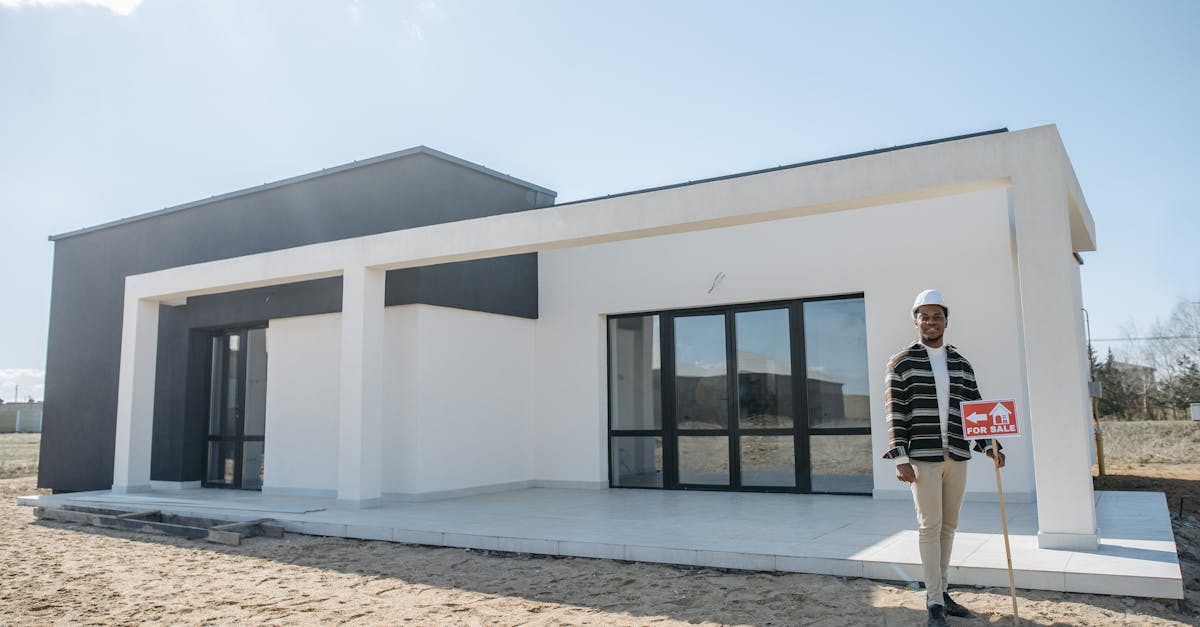
The US real estate market is distinguished by its enormous size and diversity. More than 330 million residents across 50 states create an extremely wide range of properties and opportunities, from urban studios to sprawling rural homes. In 2025, this market richness is also reflected in considerable variations in prices, taxes, and regulations.
Major cities like New York, Los Angeles, and San Francisco are posting high prices, especially in desirable neighborhoods. Conversely, fast-growing cities like Austin, Texas, or Denver, Colorado are experiencing rapid development, offering attractive opportunities within more affordable budgets. These variations strongly influence investment and residential strategies. Some states, like Florida, combine attractive climates with tax breaks, attracting many international buyers, particularly Latin Americans, while California is attractive for its economic and technological dynamism.
Property Types and Regional Preferences
The market offers several types of properties:
🏠
- Detached houses : Often sought after by families, they offer private land and a peaceful living environment. 🏢
- Condominiums (condos): Apartments in residential complexes with shared amenities, ideal for city dwellers. 🏘️ Townhouses : Attached houses combining the advantages of a house and an apartment.
- 🏚️ Multi-family homes : Buildings with several units, particularly popular with rental investors.
- Depending on the state, demand is concentrated in certain categories. In California, condos and townhouses are popular, particularly in San Francisco, while in Texas, single-family homes with gardens are preferred. Analysis of the key factors influencing the market To refine your purchasing strategy, it is essential to evaluate several criteria:
🌍
Location
: Large metropolitan areas offer strong rental demand but high prices.
- 💰 Mortgage interest rates : These directly impact the acquisition cost. In 2025, rates rose slightly, which influences buyers’ budgets.
- 🏛️ Local taxes : Some areas impose high property taxes that can exceed 2%, while others remain more advantageous.
- 📈 Rental request : It conditions profitability for investors, particularly in cities with demographic growth.
- 🏙️ Region 💵 Average price per m² 📊 Population growth
| 🏘️ Dominant Types | 🧾 Average property taxes | Florida | $350 | +1.5% per year |
|---|---|---|---|---|
| Individual houses, condos | 1.1% | California | $700 | +0.5% per year |
| Condos, townhouses | 1.2% | Texas | $280 | +2.0% per year |
| Individual houses | 2.1% | new York | $650 | +0.2% per year |
| Condos, multi-family | 1.4% | Specialized platforms like | Zillow | , |
Redfin OrTrulia offer up-to-date data to refine these analyzes according to your criteria. https://www.youtube.com/watch?v=vwpqlUt1UG0 Legal aspects and restrictions for foreign buyers in the United States The United States has a real estate policy open to foreign investors, unlike other countries where foreign ownership is restricted. However, understanding federal, state and local regulations remains essential to avoid unpleasant surprises.
Recommended legal structures for acquisition
Options for purchasing property include:
🤝
Purchase in own name
: simple but less protective in the event of inheritance or litigation.
- 🏢 Creation of an LLC : protects personal assets, offers tax advantages and a certain confidentiality.
- 🏦 Foreign companies or trusts : often used for more complex heritage structures but involving additional procedures.
- The choice must be made by examining the tax and inheritance implications, and protecting the investor’s interests. Advice from local specialists is essential, particularly through law firms specializing in international real estate. Tax Implications by Residency Status Your tax residency status determines your tax situation. Non-residents are taxed differently, and obtaining an ITIN (Individual Taxpayer Identification Number) is often essential for completing tax and banking procedures. Bilateral tax treaties between your country and the United States sometimes mitigate double taxation. For example, the Franco-American treaty provides specific benefits regarding inheritance tax. 📝 Tax Status
📅 Tax Obligation
🏦 Bank Obligations
💼 Summary US Resident Full Income and Capital Gains Reporting
| Traditional Bank Account | Full Taxation on Worldwide Income | Non-Resident with ITIN | US Income Tax Return Only |
|---|---|---|---|
| Bank Account Possible with ITIN | Double Tax Limitation | Non-Resident without ITIN | 30% Withholding on Gross Rental Income |
| Complicated Account Opening | Flat Rate with No Deductions | Consulting a specialized attorney before any transaction, as well as evaluating the specific restrictions depending on the state of investment (Alleghany County, Pendleton County, Rockbridge County) is strongly recommended. | https://www.youtube.com/watch?v=eM9iKl11AyM |
| Financing Options and Banking Procedures for International Buyers | Financing remains one of the most challenging aspects for foreign buyers. Access to traditional Fannie Mae or Freddie Mac loans is largely restricted to residents. Thus, several alternatives are available to international investors. | Traditional and alternative banking solutions | Among the main options: |
🏦Specific loans for foreignersoffered by international banks present in the United States (HSBC, Santander) with demanding conditions: substantial down payment (30-40%), high rates (1-2% above the standard). 💼Private lenders (hard money lenders): high rates (8-12%), fast financing but high costs, suitable for short-term projects. 🌍Financing from the home country: allows you to negotiate potentially more favorable terms locally and appear as a cash buyer.
Partnerships with local investors: joint ventures to pool resources and expertise.
To increase your chances of obtaining a loan, it is recommended to:
📄 Provide a meticulously compiled application with translated bank statements and certified income statements. 💳 Establish a credit history in the United States, even if minimal, before applying.
📊 Compare offers from several specialized institutions.
- 🏦 Financing Options 🔑 Advantages ⚠️ Disadvantages
- 💰 Average interest rate International banks Increased trust if existing relationships
- High down payment; numerous documents 6-8% Private lenders
- Speed to obtain High cost and short term 8-12%
Local financing abroad
- Often more favorable terms
- Need to manage currency exchange and transfers
- Varies
| To get started, | this guide | offers useful strategies to optimize financing. Opening a US bank account, particularly with banks like Bank of America or Wells Fargo, is necessary to facilitate transactions. | Real estate purchase process in the United States: steps and major differences with Europe |
|---|---|---|---|
| The purchasing process in the United States differs significantly from that in Europe. The almost complete absence of a notarial role and the significant role played by real estate agents in the transaction require adaptation to local practices. | Main steps in the purchasing process | 🔍 | Property search |
| : through digital platforms such as | Zillow | , | RE/MAX |
| , | Century 21 | or | Coldwell Banker |
with the help of specialized agents. 📝 Offer submission
: formalized written proposal including an earnest money deposit (1-3% of the price).
🔎
Due diligence period
- : mandatory property inspections, including structural risks and termite detection. 🖋 Closing : final stage during which a title company handles the official transfer, legal verifications, and registration. The purchase is punctuated by open negotiations, often with multiple counteroffers, especially in competitive markets like Miami or San Francisco.Special Considerations Various specific elements must be examined:🏷️ HOA fees and their regulations can influence the overall budget. 📜 Easements or usage restrictions may limit certain uses of the property. 🛡️ Title insurance protects the property against potential disputes. 💸 Closing costs, often between 2 and 5%, should be anticipated. Stage Description
- Average Time Estimated Cost Research
- Use of agents, digital tools 1-3 months Variable
- Offer and negotiation Written proposal with deposit 1-2 weeks
1-3% of the purchase price (earnest money)
Due diligence (inspections)
Technical inspection, appraisal
- 2-4 weeks
- $300-1000
- Closing
- Assembly of documents, transfer
| 1 day | 2-5% of the purchase price | Experience shows that working with renowned agencies such as | Century 21 |
|---|---|---|---|
| or | Sotheby’s International Realty | greatly facilitates the process. | Remote Rental Management and Property Maintenance for Expatriates |
| For foreign investors, managing rental properties remotely is a significant challenge. Distance requires delegating operational responsibility to reliable third parties to preserve the property’s value and profitability. | Hiring a specialized property management company is often essential. These professionals handle: | 📬 Proactive tenant search and rigorous selection. | 💵 Rent collection and management. |
| 🔧 Organizing repairs and preventative maintenance. | 🚨 24/7 emergency management. | Management fees generally range between 8% and 12% of gross rental income, with a possible additional charge for the initial rental. In high-tourism areas, using companies specializing in seasonal rentals (Open Door is an example) maximizes profits. To complete this organization, it is advisable to assemble a reliable local team: accountant, lawyer, and tradespeople, to ensure a comprehensive network covering all needs. | Tips for effective remote management |
| 📅 Schedule regular visits to monitor properties. | 💻 Use digital property management platforms to monitor activities. | 🔍 Regularly check tenant creditworthiness. | ⚖️ Ensure compliance with local and federal tax obligations. 📌 Service |
💼 Description 💵 Cost 💡 Benefits Rental management Tenant search + monitoring
8-12% of rent
Time savings and peace of mind
Maintenance and repairs
- Coordination of interventions
- Varies depending on the work
- Preserves the property
- Legal assistance
Dispute managementFees depending on the case Dispute protection
Organizing this management as soon as the purchase is finalized is a key step that should not be overlooked.
International Tax Obligations Related to Owning Real Estate in the United States
- Owning property on American soil requires strict compliance with tax obligations, which are often complex for non-residents. Between federal, state, and bilateral tax treaties, vigilance is essential.
- Taxation of Rental Income and Capital Gains
- Rental income is subject to taxation. For non-residents without a specific option, a flat rate of 30% applies to gross income. By opting for tax treatment as a US company, it is possible to deduct several expenses (interest, repairs, property taxes), thus reducing the taxable base.
- Upon resale, a 15% FIRPTA withholding tax is deducted as a precautionary measure, although this amount is then adjustable upon final tax return. Complexity is compounded by reporting rules, particularly FBAR and FATCA forms, which require disclosure of bank accounts held abroad, including in the United States.
| Estate Planning and Tax Treaties | US estate taxes weigh heavily on non-residents, with an exemption limit of approximately $60,000, compared to over $11 million for US citizens. This difference encourages sophisticated estate planning, often through offshore trusts or structures. | Tax treaties such as the Franco-American Treaty can mitigate these impacts, but require careful analysis. The assistance of a specialized tax professional is strongly recommended. Taxation | Standard Non-Resident |
|---|---|---|---|
| US Corporate Option | Comments | Rental Income | 30% on Gross Income |
| Tax on Net Income | Often a More Advantageous Option | Real Estate Capital Gains | FIRPTA Withholding Tax 15% |
| Final Tax Return | Adjustable Withholding | Estate | Exemption limited to $60,000 |
N/A
Essential Planning
Practical steps to finalize your real estate purchase in the United States
A successful purchase requires a precise sequence of actions to avoid costly mistakes. After defining your budget, including incidental costs and areas of interest, here is an overview of the final steps:
✅
Sign a clear purchase agreement
specifying all conditions.
✅ Conduct a thorough inspectionto identify potential defects.
✅ Arrange financing in coordination with the selected banks.
| ✅ | Purchase comprehensive homeowners insurance | including liability. | ✅ |
|---|---|---|---|
| Prepare the necessary tax documents | with the help of an expert. | ✅ | Finalize the closing |
| by coordinating with the title company to ensure legal compliance. This phase requires rigor and foresight, particularly to meet contractual deadlines and comply with legal requirements. | Points to check before closing | 🕵️♂️ Verification of title deeds and absence of mortgages or easements. | 📑 Presence of all required documents: proof of inspection, title report, insurance policies. |
| 💳 Organization of the transfer of funds and guarantees. | 📧 Confirmation of the opening of a bank account with a US institution. | Once the closing is complete, the property is legally yours and you can consider management. | Choosing the best real estate agencies to support your project |
Having experienced professionals assist you in your property selection process guarantees peace of mind and a sound decision. In the United States, several agencies enjoy an international reputation and proven expertise:
🏡
- Coldwell Banker : a global network offering a wide selection of properties and in-depth knowledge of the local market. 🏠
- RE/MAX : Very present in major cities, renowned for its personalized service. 🏘️
- Keller Williams : Focused on technology and agent training, facilitating cross-border transactions. 🏢
- Century 21 : A key player with a presence in all regions. 🌍
- Sotheby’s International Realty : Specializing in high-end properties and international investments. Working with these agencies often ensures priority access to exclusive properties and tailored support. Using an agent familiar with international matters is a real plus, especially to avoid the pitfalls common to non-residents.
- To complete your search, don’t hesitate to consult digital platforms such as Zillow ,
RealtyTrac
or
- Open Door
- which enhance online prospecting.
- Discover the real estate buying process in France: key steps, essential advice, and tips for a successful investment. From property search to signing the sales agreement, we guide you through a smooth and informed purchase.
- Tips for optimizing your real estate investment and avoiding common mistakes
To maximize your return on investment, several recommendations should be kept in mind:
🔎
Carefully analyze the geographic location:
- proximity to amenities, schools, and public transportation increases long-term value. 📉 Carefully evaluate additional costs:
- property taxes, HOA fees, insurance, maintenance costs. 📑 Anticipate tax implications with a local expert to optimize tax deductions and limits.
- 📋 Don’t neglect inspections to avoid unexpected repair expenses. 🤝
- Work with reliable real estate agents who specialize in international clients. 📈 Stay informed about market trends via trusted sources like
- Zillow and Redfin
.
A common example involves failing to study the long-term viability of a neighborhood, resulting in unexpected depreciation or a drop in profitability. Common errorConsequence Preventive solution Neglecting High Property Taxes Reduced profitability Hydrate a detailed tax analysis

Extended rental vacations
Choose a reputable company
- Do not anticipate local laws Potential disputes Consult a local attorney
- FAQ – Buying real estate in the United States in 2025 ❓ Can a foreigner buy a house in the United States without restrictions?
- 📝 Yes, provided you respect local rules. Only certain sensitive terrains or areas may be restricted. ❓ Is title insurance required for a real estate purchase?
- 📝 Absolutely, it protects against property disputes. ❓ How to obtain American financing while being a non-resident?
- 📝 Through international banks, private lenders or financing in the country of origin. ❓ Which real estate agencies are recommended for foreigners?
- 📝 Coldwell Banker, RE/MAX, Keller Williams and Sotheby’s are solid references. ❓ What additional costs should be expected? 📝 Closing fees (2-5%), property tax, insurance, rental management (if applicable).