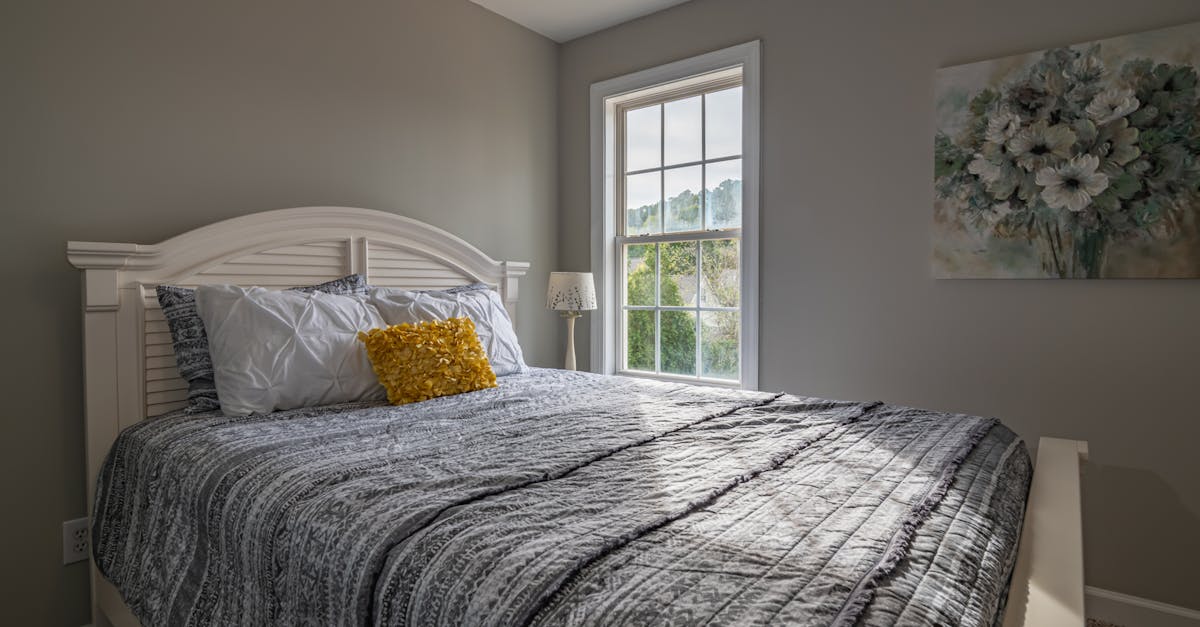
Faced with rapidly changing lifestyles and the climate emergency, convertible homes are gaining popularity in 2025, embodying a true revolution in modern housing. Able to adapt to the changing needs of their occupants, they offer a sustainable and flexible solution in the face of population growth and environmental challenges. Today, it is now possible to design a scalable home, which easily adjusts to a house extension or a multifunctional space, while integrating the latest housing innovations. The real estate sector must now reconcile energy efficiency, speed of construction, and adaptable architecture to meet the demands of tomorrow. The trend is not new, but it is intensifying, thanks to innovative materials and cutting-edge technology, allowing it to play supporting roles in a market where modular housing is becoming the norm. The connected home, embodying the concept of smart living, is no longer limited to home automation, but also encompasses the proactive management of space and resources. The ambitions are grand: to offer flexible, sustainable, and fully personalized housing in a context where custom construction is becoming the norm. In this context, convertible homes play a key role in redefining the standards of tomorrow’s housing, combining innovation, comfort, and respect for the environment.

The fundamental principles of the adaptable home in 2025
A scalable home is distinguished by its ability to adapt to the needs of its occupants, whether to integrate a house extension or to transform a space into a self-contained home. At the crossroads of innovative architecture and technology, it rests on a solid foundation of modular components. Architectural flexibility is not limited to a simple extension, but encompasses an entire design philosophy aimed at anticipating future developments. In 2025, this approach is based on key principles, including:
- 🧱 Modularity: Each room or module is designed to be easily added or rearranged.
- ⚙️ Connectivity: Integration of smart homes, enabling intelligent energy and resource management.
- 🖥️ Digitalization: 3D modeling with BIM to visualize and anticipate each stage of development.
- 🌱 Sustainability: Use of bio-sourced and environmentally friendly materials. 🔄 Flexibility of use: multifunctional spaces that can evolve according to lifestyles, facilitating, for example, conversion into an office or guest quarters.
- This concept is part of an adaptable architecture approach, promoting the optimization of living space within a custom-built home. The evolving home thus becomes a truly multifunctional space, capable of constantly adjusting to its occupants while maintaining its energy efficiency.
Discover convertible homes: innovative and modular homes that adapt to your needs. Optimize your living space with practical, stylish, and flexible solutions for everyday comfort.
Materials play a key role in transforming homes into smart and sustainable habitats. Therefore, by 2025, their selection will prioritize those that combine performance, ecology, and ease of integration into a modular home. These materials include:
🪵 Glulam: lightweight, strong, and an excellent thermal insulator, ideal for lightweight yet robust structures.
- 🧱 Recycled clay bricks: natural, recyclable, ensuring optimal thermal inertia and excellent temperature regulation.
- 🔩 Metal frames: quick to assemble and durable, they allow for the construction of modern and modular facades.
- 🌿 Bio-sourced materials: wood fibers, hemp, or the latest innovations in insulation, to reduce the carbon footprint and create a self-sufficient home incorporating sustainable construction solutions. These materials are often combined with technical innovations, including digital machining, 3D printing, and BIM, for total precision during manufacturing. Mastering these technologies allows for seamless integration of components into a smart home, while meeting energy efficiency and environmental criteria.
- Discover convertible homes, modular and innovative dwellings that adapt to your needs. Optimize your living space with smart, designer solutions.
Technologies at the heart of custom construction in 2025
✨ Remote management of lighting, heating and ventilation, for energy optimization and increased comfort.
🔒 Enhanced security thanks to intelligent surveillance systems like cameras and motion detectors integrated with AI.
- 💧 Water and energy management via sophisticated sensors, allowing a significant reduction in waste and increased efficiency.
- 🤖 The integration of virtual assistants for proactive management of all equipment, adapting the home to daily use and anticipating needs.
- The essential steps for creating a house extension or a multifunctional space in 2025
- Transforming an existing home into a flexible home requires a structured process, combining architectural design, prefabrication, and precise coordination. The first step involves defining a tailor-made project, taking into account the location, size, and future use of the space (for example, a house extension or a room dedicated to a multifunctional space). Factory manufacturing speeds up assembly while ensuring quality. The site preparation phase follows, including the creation of foundations and the necessary connections. Delivery and assembly are completed quickly, often within a few days. Finally, the finishing touches focus on the integration of equipment, painting, and the installation of connected systems. The key to success lies in excellent coordination between the various stages and controlled cost management.
Controlling costs and deadlines for flexible housing in 2025
Using prefabrication allows for budget control and significantly reduced construction times. Indeed, several factors contribute to this advantage:
✅ Factory manufacturing limits unforeseen events related to weather or construction site errors.
💵 Reduced on-site labor time significantly reduces labor costs.
- 📈 A price per square meter is often more controlled, with a range between €1,200 and €1,800 depending on the chosen finish.
- ⏱️ Construction times reduced by 30 to 50%, allowing for faster delivery and greater project flexibility.
- This economic landscape makes connected and scalable homes accessible to a greater number of people, while promoting the quality and durability of construction.
Trends to watch for an innovative residential future in 2025
Construction trends in 2025 all point toward more eco-friendly, connected, and modular housing. The demand for a smart home, incorporating all the latest housing innovations, is unabated. Developers and builders have understood the need to combine energy efficiency, sustainable materials, and smart management technologies. The growth of tiny houses, flexible housing, and modular extensions reinforces this vision of a residential future focused on:
🌍 Reducing the carbon footprint through the use of bio-sourced materials and sustainable construction methods.
🏡 Designing adaptable architecture, allowing a home to transform over time according to its uses.
- 🤝 Combining modular housing and innovative housing to meet the growing demand for custom-made housing. 🛠️ The development of multifunctional spaces that can be converted into offices, workshops, or second homes.
- FAQ: Everything you need to know about convertible homes in 2025
- What are the main advantages of a convertible home?
- Convertible homes offer great flexibility of use, allow for rapid home extensions, reduce construction costs, and contribute to better energy performance. Their ability to continuously adapt to the needs of occupants makes them an ideal solution for sustainable, tailor-made housing.
How can you ensure the sustainability of a smart home?
The choice of bio-sourced materials, the integration of smart management technologies, and adaptable architecture help increase the longevity of smart homes. Priority must be given to efficient insulation, quality components, and regular maintenance.
How much will a modular home cost in 2025?
On average, the price ranges between €1,200 and €1,800/m², depending on the level of finish and the complexity of the project. Prefabrication also helps control costs by limiting unforeseen events and reducing construction time.
Is it possible to add an extension to an existing home?
Yes, most modular systems allow for quick and easy expansion, whether adding a room, a multifunctional space, or a separate living space to an existing home. The key lies in a custom design that complies with current standards.
What housing innovations should be prioritized in 2025? Bio-sourced materials, integrated home automation, AI for proactive management and prefabricated modules equipped with smart technologies represent the priority areas for a modern, sustainable and connected habitat.