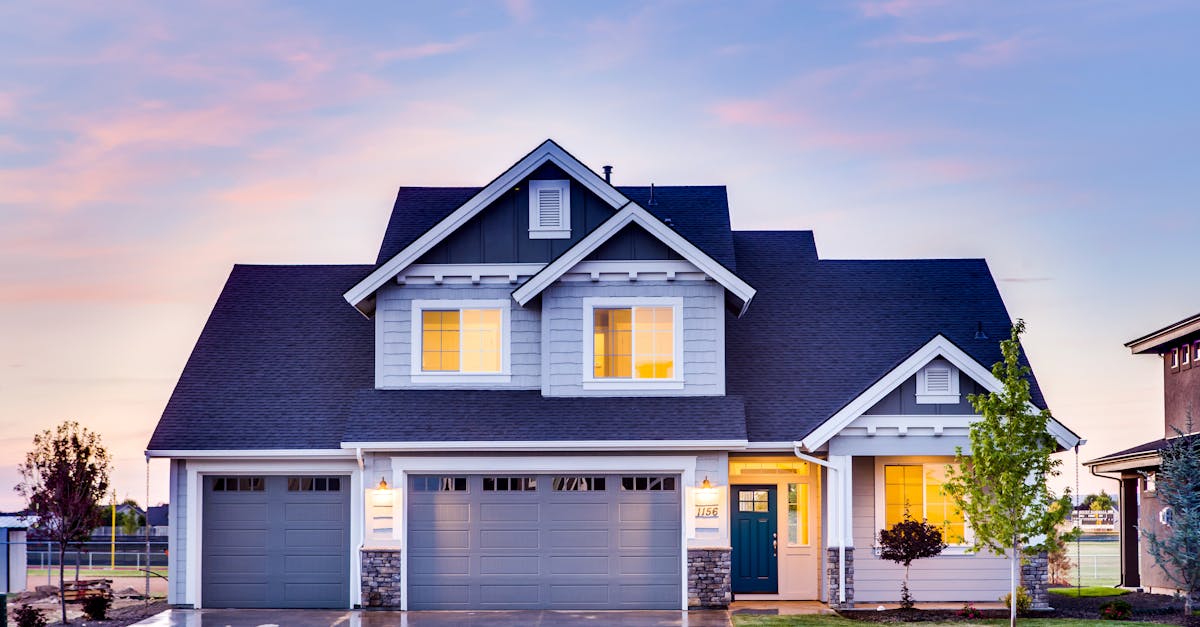
A New Era for Housing: Living in a Container Home in 2025
Housing trends are undergoing a profound transformation, driven by the ecological, economic, and social challenges of our time. In 2025, the container home is emerging not only as an innovative solution, but also as a true vector of ecological responsibility. Functional, modular, and aesthetically pleasing, this type of housing, once considered a marginal alternative, is becoming a leading option for those seeking to combine modernity and sustainability. The redefinition of the traditional construction concept is accompanied by a desire to reduce the carbon footprint while offering a flexible, economical, and resolutely stylish living space. Container Design and GreenBox Habitat have thus popularized this environmentally friendly yet affordable housing option.
Revolutionary Architecture: Design and Innovation for the Container Home in 2025
In 2025, the container home will go beyond the simple image of a metal box to become an architectural work in its own right. Thanks to technological advances, the integration of cutting-edge materials allows for a habitat that is both robust and lightweight, with a contemporary aesthetic that highlights the contrast between metal, natural wood, and plant elements. Prefabricated modules drastically reduce construction time, often less than three months for a turnkey home, while maintaining a high level of finish and comfort.
Innovations in container design offer a variety of styles to suit all tastes: minimalist, industrial, Scandinavian, or even bohemian chic. Customization remains one of the major advantages of this trend, with the possibility of integrating green roofs, large bay windows, or modular extensions according to the wishes of future occupants.
Technologies such as advanced insulation, high-performance windows, and the integration of renewable energy sources make these homes perfect examples of sustainable and aesthetic buildings. The modularity of the Modul’Container also facilitates the expansion or transformation of the space according to the evolving needs of the inhabitants.
Ecology and sustainability: the promise of an environmentally friendly container home by 2025
The main driver of the success of container homes lies in their strong ecological roots. Recycling and upcycling have become the norm, with the systematic use of recycled shipping containers by companies such as EcoContainer and Container Innov. These construction projects contribute to a significant reduction in construction waste and the consumption of new resources.
The homes of tomorrow are based on a philosophy of energy self-sufficiency. The installation of high-efficiency solar panels, coupled with rainwater harvesting and wastewater treatment systems, gives these homes near-independence. For example, GreenBox Habitat offers integrated solutions that combine these technologies to create a carbon-neutral home. Furthermore, the use of bio-sourced materials such as wood or plant wool helps limit the environmental impact.
The figures speak for themselves: by 2025, according to the French Environment and Energy Management Agency, a modular home based on a container house will consume up to 60% less energy than a standard home. Reducing one’s ecological footprint has never been more achievable while remaining aesthetically pleasing and comfortable.
A harmonious blend of natural and industrial design
The style of container houses is based on a delicate blend of industry and nature. The trend toward incorporating natural materials such as light wood, polished concrete, and natural stone lends a warm feel to these homes, often perceived as cold or austere. The juxtaposition of industrial metal with warm tones creates an aesthetic balance that appeals to a diverse audience.
This design creates a contemporary yet cozy atmosphere, suitable for all lifestyles. The presence of gardens or their integration into the design, particularly through planted terraces or landscaped exteriors, reinforces this harmony. The GreenBox Habitat philosophy advocates transparency and the openness of the interior space to the outdoors, promoting natural light and a sense of spaciousness.
This blend of modern materials and organic elements also reflects a desire to respect the planet, favoring bioclimatic housing concepts and passive design. The result: a home that breathes, blends into its environment, and offers a true haven of peace in an industrial setting.
Quick installation and endless customization possibilities
In 2025, building a container home will be a seamless and personalized experience. Thanks to the modularity of the rooms, it becomes possible to design a custom space, adapted to each lifestyle, whether it’s a second home, a primary residence, or a nomadic habitat.
Prefab and modular manufacturing techniques significantly reduce construction times, often offering delivery in less than three months. Customers can choose from a wide range of finishes, materials, and fittings: wood or metal walls, polished concrete or parquet floors, etc.
Companies such as Modul’Container and Container Innov offer a service platform where each project is unique. Customization extends even to the choice of interior design, ranging from the design of a bright open space to a cozy interior with a wood-burning stove and indirect lighting. In short, container homes are becoming spaces perfectly suited to each individual, each family, and even each professional or tourist project.
Attractive cost and accessibility: opening the door to everyone in 2025
Price is certainly one of the major advantages of container homes. In 2025, their overall cost remains 30 to 50% lower than that of traditional construction, making them accessible to a wider audience. The growing popularity of this solution is explained by the possibility of investing in a modern residence without spending a fortune.
Investing in a container home also reduces the financing and repayment period. The speed of construction allows for almost immediate installation, which meets a growing demand for financial flexibility for young couples, retirees, and investors.
Estimated cost:
| Type of housing | Estimated cost in 2025 🌍 | Main Advantages |
|---|---|---|
| Classic Container House | €150,000 | Speed, Modularity, Eco-Responsibility |
| Extension or Additional Development | From €30,000 to €80,000 | Customization, Space Optimization |
| Nomade Housing or Tiny House | €80,000 | Mobility, Space Saving |
The Future of Housing: A Revolution Already Underway
What seemed like science fiction until recently is now becoming a concrete reality. The container house is part of a realistic, responsible, and aesthetic vision of housing. The desire to offer a credible alternative to the traditional house is based on strong values: simplicity, speed, and respect for the environment.
The many players in the sector are constantly innovating, offering ever smarter, modular, and ecological solutions. The trend toward sustainable urban planning and reducing carbon footprints is driving the integration of these housing options into urban and rural projects. The ability to build quickly, inexpensively, and with an environmentally friendly approach makes container homes an option not to be overlooked in 2025.
Frequently Asked Questions (FAQ) about Container Homes in 2025
- Are container homes weatherproof? : Yes, thanks to the use of robust materials and innovative design, these homes are designed to withstand a wide range of climatic conditions, including wind, rain, and even earthquakes.
- Can you fully customize your container home? : Absolutely. The modularity and flexibility of the materials allow you to adapt the interior and exterior to the owner’s specific tastes and needs.
- What is the average cost of a container home in 2025? : On average, it costs between €150,000 and €200,000, depending on the size, finish, and options chosen.
- Is this eco-friendly solution truly sustainable in the long term? : Yes, if we integrate renewable energy systems, high-performance insulation, and recycling, this solution can become a zero-emission housing solution.
- Are there any specific regulations to follow when building a container home? : Yes, each location has its own standards, but in general, you must comply with current urban planning and construction regulations, particularly regarding insulation and living space.