Faced with a growing desire to prioritize authenticity, sustainability, and ecology, choosing a stone house is now a strong trend for 2025. In recent years, homeowners and investors have been seeking to reconcile timeless aesthetics with respect for the environment. Stone, the noble material par excellence, reflects a return to roots while incorporating modern innovations. Because it embodies heritage, robustness, and ecology, this option appeals beyond simple aesthetics. Stone Houses, in particular, leverage this heritage fiber, offering buildings that withstand climatic hazards while enhancing the local area. The trend is not new, but it is reinforced by the need to reduce ecological impact and save energy. In this context, it becomes crucial to thoroughly analyze the many advantages of choosing a stone house in 2025, whether for a primary residence or to preserve a family heritage. Discover the many benefits of a stone house: durability, natural insulation, authentic charm, and heritage value. Choose an eco-friendly and timeless home with stone!

Considered one of the most environmentally friendly materials, stone is currently enjoying renewed interest in sustainable construction. According to figures from the French Environment and Energy Management Agency, locally quarried stone generates, on average, 30% less CO2 than other common materials such as concrete or aerated concrete. The reduced transportation associated with transporting the material significantly limits the carbon footprint. French stone, like limestone or granite, is compatible with the ecological construction standards in effect in 2025, thanks in particular to its intrinsic qualities and its ability to be recycled at the end of its life.
This material offers exceptional natural insulation, reducing the energy consumption of homes. The thermal mass of stone, particularly due to its density, provides an effective barrier against temperature fluctuations. In winter, it retains heat, while in summer, it limits overheating. Stone also requires little energy to produce compared to other synthetic or industrial materials, making it an ideal option for environmentally friendly construction.
Finally, this durability is associated with reduced maintenance, another important ecological criterion. Stone does not require regular chemical treatments, unlike some artificial materials. Its long lifespan also reduces the need for frequent renewal, a phenomenon often harmful to the planet. These properties explain why more and more project managers and heritage artisans are choosing stone for construction projects that respect sustainable development. Discover the advantages of a stone house: durability, natural insulation, authentic charm, and low maintenance. Enjoy a healthy, energy-efficient, and aesthetically pleasing home with a traditional stone construction. The aesthetic and artistic charm of stone houses in 2025
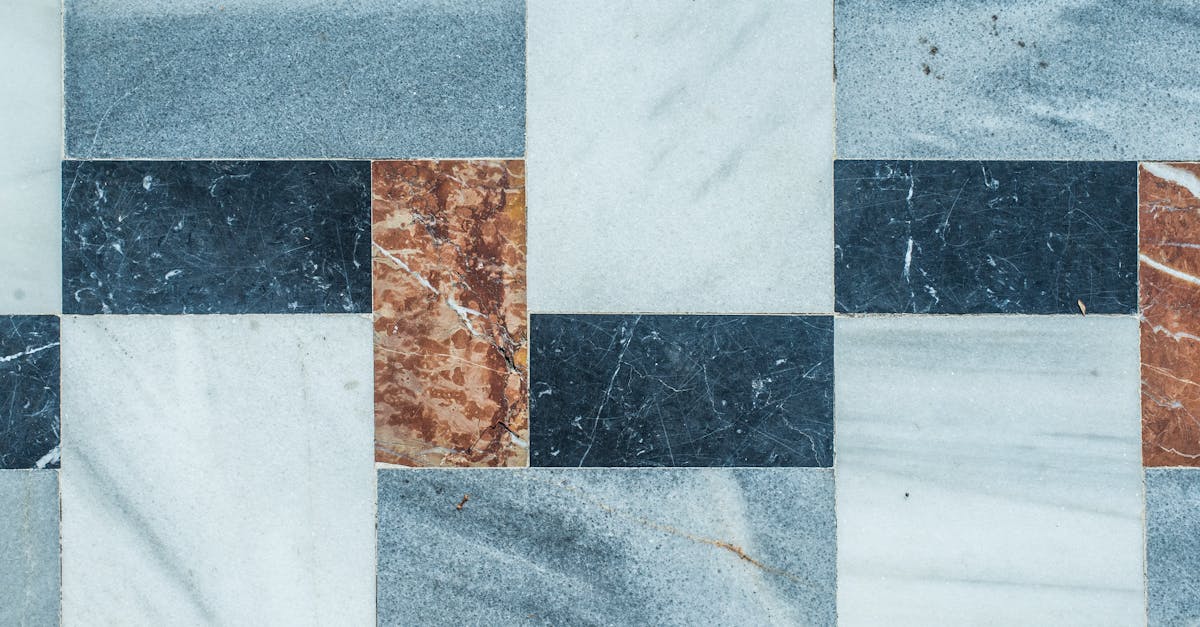
Stone is making its mark in modern architecture not only for its technical qualities but also for its natural aesthetics. EachAuthentic House draws its strength from its unique character, conferred by its veins, nuances, and natural imperfections. This characteristic makes it a work of art in its own right, capable of harmonizing with almost any architectural style, from rustic to contemporary.
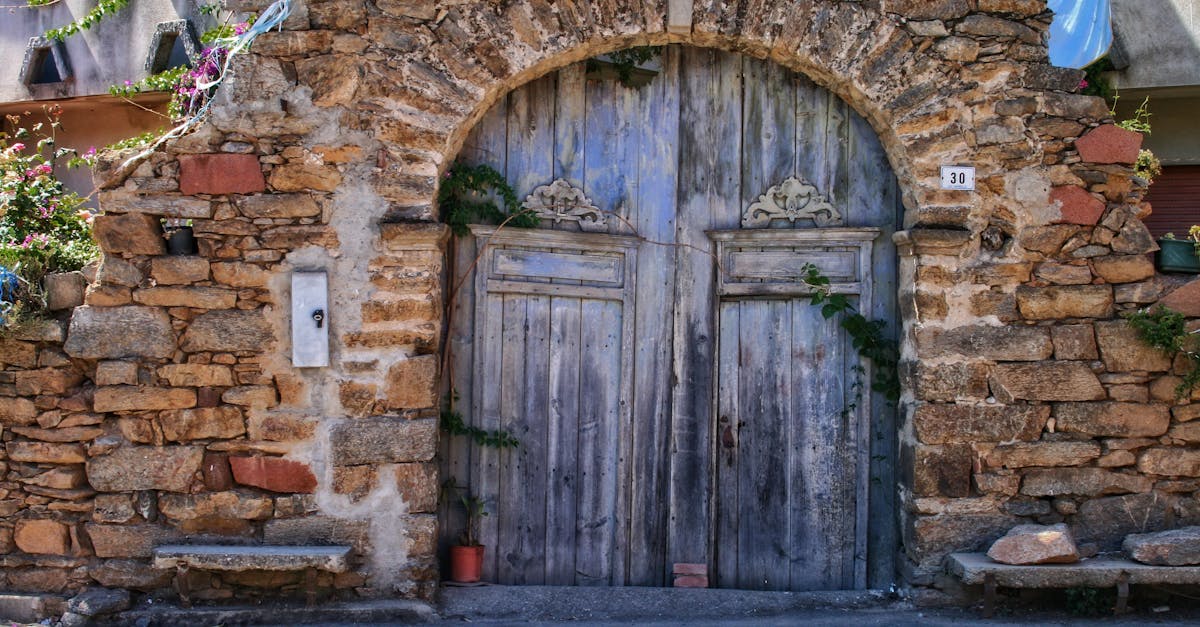
A stone house, particularly those designed by Les Bâtisseurs en Pierre or Atelier Maison de Pierre, can also reflect a distinct regional style. In Brittany, for example, granite stone lends a rugged and wild look, while in Provence, light limestone brightens every space. These elements create continuity with the surrounding landscape, strengthening the connection between architecture and the environment.
Discover the advantages of a stone house: durability, natural insulation, authentic charm, and low maintenance. Choose a durable and eco-friendly home, ideal for combining modern comfort and heritage. The natural insulating properties of stone: an essential asset in 2025 The insulating qualities of stone are not just aesthetically pleasing; they are fundamental to thermal comfort and energy savings. Stone’s ability to accumulate heat and release it slowly, known as thermal inertia, helps stabilize indoor temperatures. In practice, this means that the home stays cool during the hottest summers and retains its warmth during the coldest winters.
This phenomenon is vital in the current energy climate, where reducing heating and cooling consumption is becoming a national and regional priority. Figures show that a stone house can reduce its energy costs by 20 to 30%, thus contributing to achieving the ecological transition objectives by 2025.
Characteristics
Concrete
Wood
Thermal inertia 🌡️
| High | Medium | Low | Durability 🌱 |
|---|---|---|---|
| Excellent | Good | Medium | These are all reasons why many |
| builders are choosing stone | to meet this year’s energy and ecological requirements. | Investment and cost: stone, a sustainable and profitable choice in 2025 | Building with stone involves a higher initial cost, particularly due to specialized craftsmen, but this expense must be analyzed with a long-term perspective. Its durability and low maintenance requirements, often lasting up to 50 years without major repairs, make it an economically advantageous option. |
Figures from the French Stone Federation indicate that a stone house can increase its value by 15 to 20% compared to a traditional concrete house. Its natural resistance to weathering and low energy consumption enhance its heritage value. Criteria Stone Houses
Concrete Houses
Wooden Houses
Initial Cost 💰
| High | Medium | Low | Maintenance 📆 |
|---|---|---|---|
| Low | Medium | High | Heritage Value 🏡 |
| High | Medium | Variable | This reinforces the interest for those looking to invest in a lasting heritage, particularly through renovation or extension projects with |
| Les Maisons de Pierre | . | Architectural Styles and Regional Inspirations with Stone in 2025 | The choice of stone immediately reveals a cultural and regional aspect. Brittany often favors granite stone, robust against the sea, with slate roofs and facades sometimes covered with ivy or moss. Provençal architecture emphasizes brightness, with its whitewashed hues and colorful shutters, evoking a Mediterranean way of life. |
The Dordogne, for its part, features dry stone houses, thick walls made of local stone, often combined with round tile roofs, a very old and authentic style. These buildings, generally listed as heritage sites, perfectly illustrate the heritage of Maisons d’Autrefois and regional tradition. Contemporary heritage artisans play a key role in reinterpreting these styles. By blending tradition with modernity, they create hybrid homes, combining comfort, aesthetics, and energy efficiency. Stone thus fits into an innovative approach while respecting local history.The compatibility of stone with other materials in the architecture of tomorrow
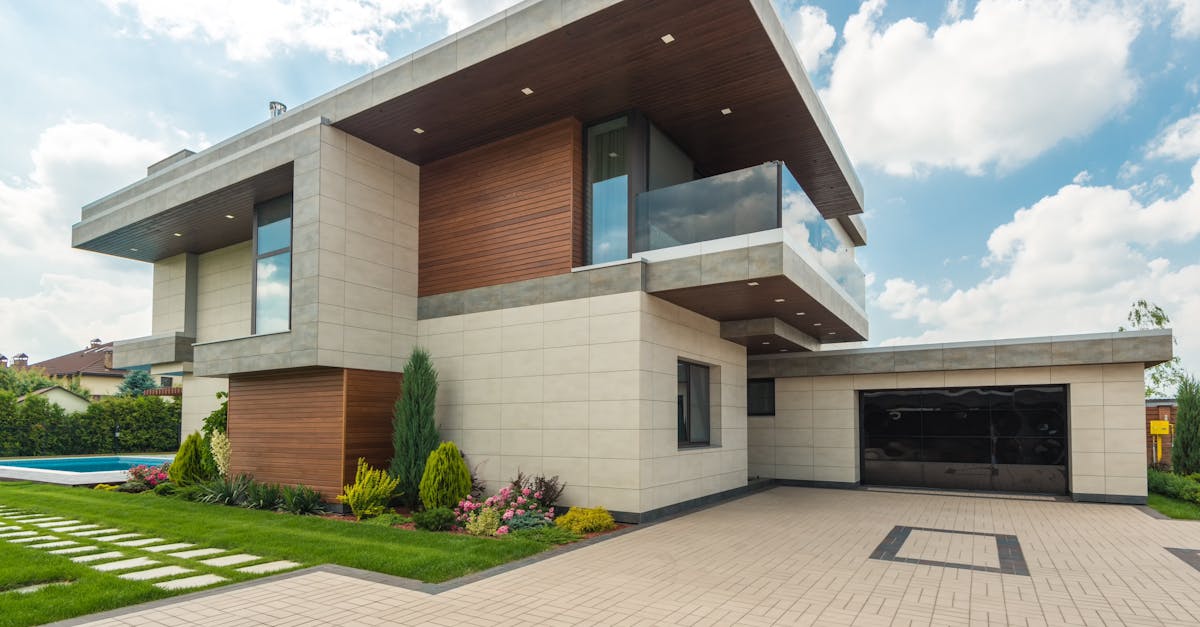
Modern stone houses also harmonize with other materials, giving them a unique and innovative character. Wood, for example, creates a warm contrast with stone, while providing lightness and rusticity. Metal, particularly for windows and structures, amplifies the contemporary look.
Trends in 2025 show that facade designs often incorporate elements such as glass to create transparency effects or steel extensions to reinforce the structure. This blend of tradition and innovation allows for a successful development in a market where customization and energy performance have become priorities.
Furthermore, stone offers a natural integration into landscapes, whether urban or rural. Its noble and authentic appearance provides a visual depth that enriches each architectural project.
The essential criteria for choosing the right stone house in 2025
An informed choice requires careful study: the origin of the stone, the quality of the materials, the condition of the structures, and their integration into the environment. The selection of craftsmen, particularly those specializing in heritage projects, such as Roche Habitat or Atelier Maison de Pierre, guarantees recognized expertise.
Checking the condition of the foundations, ensuring compatibility with thermal standards, and the possibility of integrating modern heating or ventilation systems must be considered from the outset. During the project, it’s wise to consult experts to balance budget, aesthetics, and performance.
The planning steps, as detailed in the house plan steps, help structure each phase of construction or renovation, incorporating stone as a key element.
Criteria
Provenance
Quality Regional StyleStone Origin 🏞️
| Local | Excellent | Authentic | Structural Condition 🏗️ |
|---|---|---|---|
| To be verified | Critical | Suitable | Regional Influences and Contemporary Styles in Architecture in 2025 |
| Regional styles remain a key source of inspiration for building with stone. In Brittany, for example, the robustness of granite is combined with architecture adapted to marine weather. In the South, the use of light-colored stone promotes a bright and warm atmosphere. | Furthermore, many architects are exploring the fusion of regional traditions and modern techniques to create innovative homes. Stone, a popular material, is combined with innovations such as fiber-reinforced concrete or composites to improve energy performance. These renovations and new constructions demonstrate that Maisons Pierre, combining ancestral know-how with future technologies, is shaping the city and the countryside in 2025. | FAQ: Everything you need to know about stone houses in 2025 | Why choose stone for construction in 2025? |
Stone combines durability, ecology, aesthetics, and thermal performance, meeting current sustainable development challenges.
What is the average cost to build a stone house? In 2025, the initial cost of a stone house is higher than that of a concrete or wooden house, but its long-term investment pays off thanks to its durability and energy savings.
Does stone require regular maintenance?
No. Stone requires little maintenance, especially if carefully selected, and is highly weather-resistant, making it a practical and environmentally friendly choice.
What architectural styles can be adapted to stone?
Traditional, regional, or contemporary styles blend perfectly with stone, which gives each home a unique character.
Are there any tips for optimizing the energy performance of a stone house?
The integration of modern ventilation systems, additional insulation and adapted orientations maximizes thermal comfort while respecting the ecological spirit in 2025.