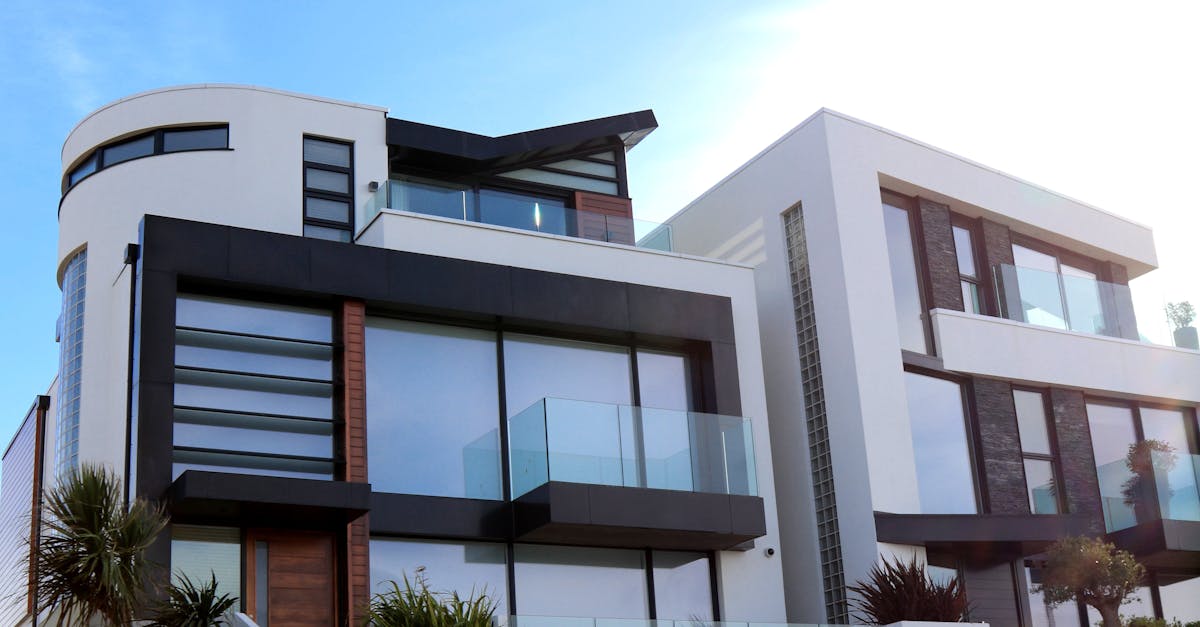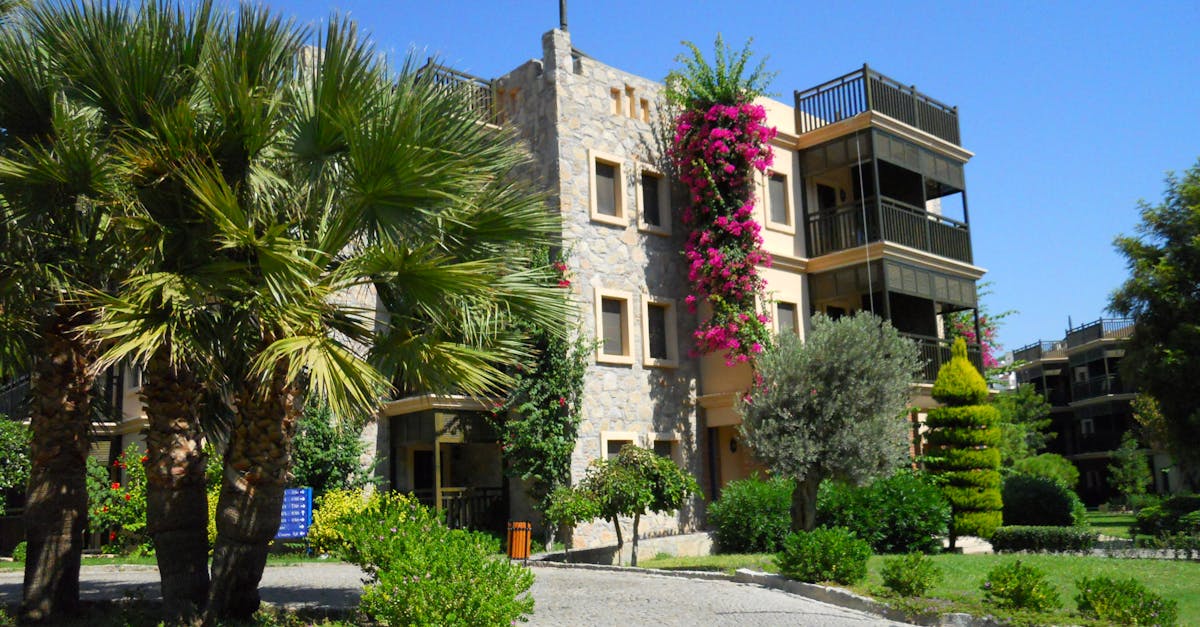
As architectural trends evolve rapidly, stone homes are even more appealing in 2025, blending tradition and modernity in an exemplary way. Faced with growing environmental challenges, this choice is part of a sustainable approach while offering incomparable character. Stone, both a noble and ecological material, remains a preferred option for building a home combining elegance, strength, and energy efficiency. In a context where more responsible construction is sought, the stone home, designed to last, is becoming a suitable response to the expectations of an ecological and aesthetically pleasing home. Artisan Pierre, an expert in natural stone, sees this material as a real lever for reviving traditional know-how while meeting contemporary challenges. Concrete results of a circular economy, these homes also embody a lifestyle that is both respectful of the environment and in harmony with France’s architectural heritage.
Why choosing natural stone is essential in 2025 for building with sustainable stone
In 2025, home construction must evolve to meet the demands of a greener future. Natural stone is at the heart of sustainable solutions, combining respect for the environment and timeless aesthetics. The trend is not new: for centuries, this material has shaped the architectural landscape, demonstrating its robustness and unique beauty. Today, with the emergence of stone eco-houses, the construction sector is once again prioritizing these authentic « art de vivre » materials, while incorporating modern innovations. Stone, a solid and natural material, perfectly meets the criteria of smart construction: low carbon footprint, recyclability, and thermal performance. Expertly crafted by stone craftsmen, it offers a perfect compromise between nobility and ecology, allowing for responsible and sustainable stone construction, while respecting natural resources.
The ecological and economic benefits of a stone house in 2025
Building with stone in 2025 isn’t just an aesthetic choice; it’s also an ecological commitment. Stone and Ecology take on their full meaning when you understand that natural stone significantly reduces its energy footprint compared to other materials. According to industry figures, this material requires less than 50 kWh/m3 for its installation, compared to several hundred for aluminum or PVC. The exceptional durability of these constructions avoids repeated reconstruction, which limits resource consumption in the long term. Stone also possesses remarkable thermal inertia, allowing for significant reductions in energy consumption for heating or air conditioning, while maintaining optimal comfort. Financially, despite higher initial costs, a sustainable stone house proves more cost-effective thanks to its low maintenance and longevity. Investing in a stone house means choosing a resilient property, capable of adapting to the challenges of a changing planet. Features
| Benefits | Environmental impact 🌱 | Thermal inertia |
|---|---|---|
| Reduces energy consumption | Low carbon footprint | Recyclability |
| Reduces construction site waste | Infinitely recyclable material | Durability |
| Long life, low maintenance | Preservation of natural resources | Respect for history and unify the city and countryside with stone |
Stone and tradition blend to create architecture that blends harmoniously into its environment. Élisabeth Polzella, an architect specializing in natural stone, emphasizes the role of stone in unifying and rehabilitating existing heritage. Whether in new construction or renovation, solid stone allows for a delicate blend of old and new. It plays an essential role in the visual and structural harmonization of an urban or rural landscape. For example, in city centers, the trusted stone used in historic buildings lends character and visual coherence while allowing for the integration of contemporary elements. Stone thus becomes a bridge between eras, working to preserve the authenticity of heritage while promoting new, modern construction. In this way, building in stone becomes a way to strengthen a sense of belonging while integrating the new into historical continuity.
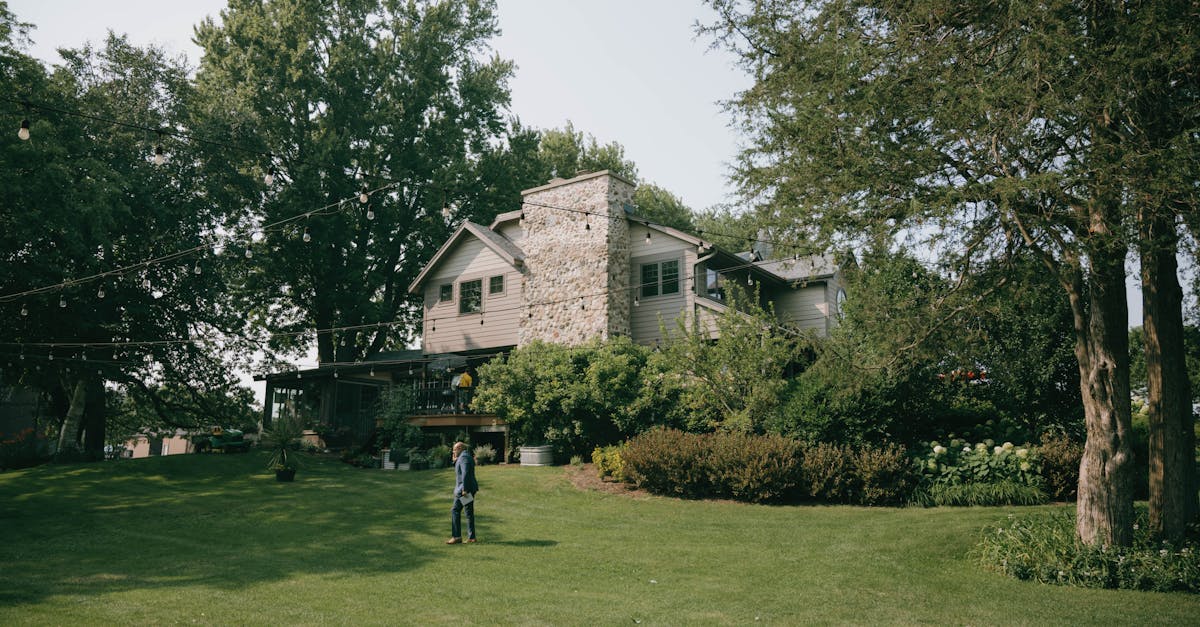
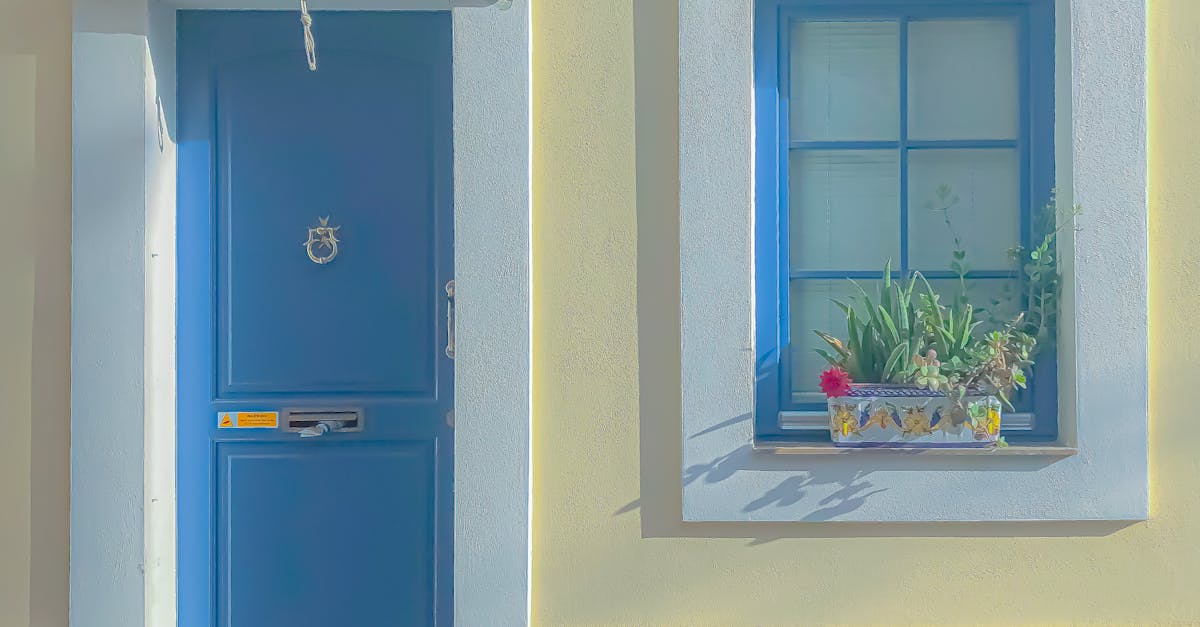
Discover the timeless charm of a stone house, combining authenticity and modern comfort. Perfect for those seeking a warm haven surrounded by nature, this home offers a unique ambiance thanks to its sustainable materials and rustic aesthetic.
Traditionally associated with fixed forms, stone adapts surprisingly well to modern architectural creativity. Many architects, such as Luigi Snozzi, emphasize that building with stone consistently offers unexpected flexibility. This trusted stone now allows for the design of a variety of structures, ranging from traditional cut-stone houses to resolutely contemporary and bold designs. The modularity of certain styles, such as the Haussmann style, allows, for example, a stone house to evolve over the years, by cutting or rearranging its volumes. The ability to integrate modern elements while maintaining the authenticity of the material fosters innovation. The primary advantage lies above all in the mastery of stone artisans in playing with texture, color, and thickness, to create unique spaces that are both warm and durable. Adaptable to any architectural style 🎨
Easy transformation to suit your needs 🔧
- Custom design for each project 🏡
- https://www.youtube.com/watch?v=NWus8pVPXaI
- Innovative projects: renewed techniques for stone in 2025
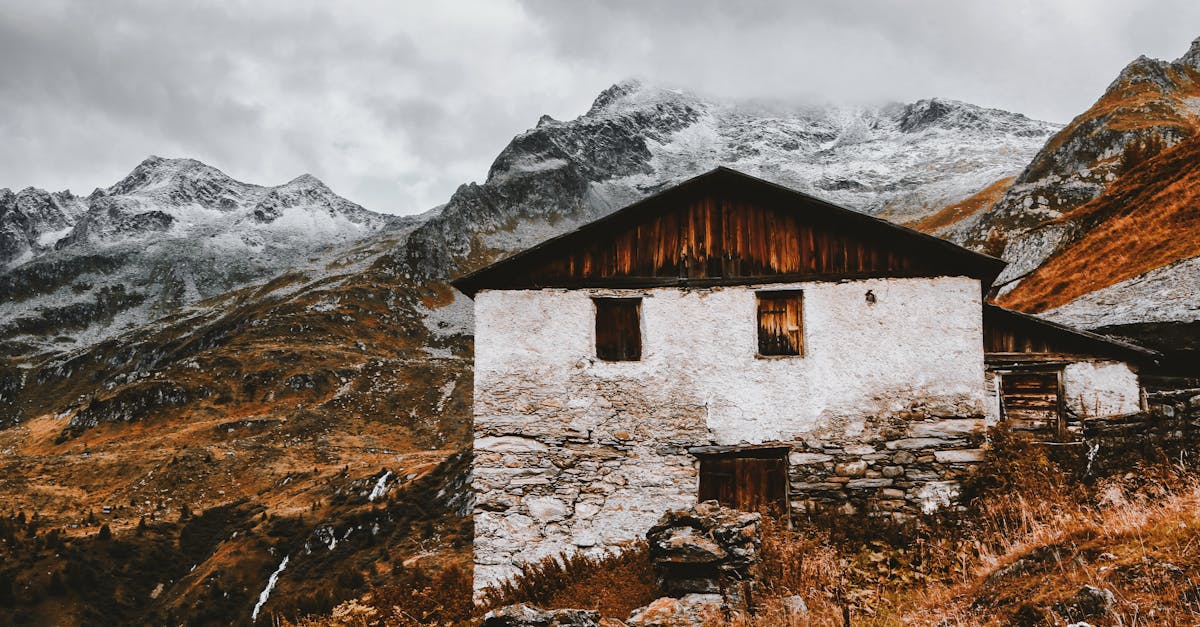
Discover the authenticity and timeless charm of a stone house. Elegance, comfort, and history come together in this unique space, ideal for lovers of nature and rustic style.
Investment and heritage enhancement of the stone house in 2025
Impact 💰
Concrete Examples
| Estate Value | Resale Value 📈 | Stone Houses in the Provence Region |
|---|---|---|
| Durability | Guaranteed Longevity 🕰️ | Heritage Renovations |
| Attractiveness | Attracts Buyers Concerned About Authenticity 🌍 | Easier to Sell in Rural and Urban Areas |
| FAQ | Why Choose a Stone House in 2025 Over Another Material? | Natural stone offers exceptional strength and better energy performance, while being environmentally friendly and aesthetically pleasing. It guarantees a sustainable renovation and a unique heritage investment. |
What are the most commonly used types of stone for stone buildings?
- The most common are granite, limestone, cut stone, and sandstone, each offering its own aesthetic and technical characteristics to suit all types of projects. Is building a stone house more expensive than other materials?
- While the investment is often higher in the short term, the longevity, low maintenance, and energy savings more than offset these initial costs. Is stone an eco-friendly material?
- Absolutely, because it is abundant, recyclable, and requires little energy to build, making it an environmentally friendly option. How do you maintain a stone house?
- Regular cleaning, occasional repairs, and an annual inspection are generally sufficient to preserve its qualities and aesthetics.