The rapidly transforming real estate market in 2025 reflects the advent of more eco-friendly, connected, and modular housing. Designed to address climate challenges and new comfort expectations, this year’s contemporary homes embrace an innovative approach, combining minimalist design, sustainable materials, and smart technologies. The trend isn’t new, but it’s gaining momentum, with particular attention paid to reducing environmental impact while maximizing quality of life. Modern homes are evolving into self-contained ecosystems where energy autonomy, rainwater harvesting, and the integration of connected equipment play a central role. Properties are also moving toward flexibility, with modular concepts that adapt to changing lifestyles. The timber-framed house, the centerpiece of these constructions, appeals with its warm appearance and insulating performance. These are all elements that, in a context of energy transition, paint the picture of a resilient, environmentally friendly, and future-oriented home.
Minimalist design and eco-friendly materials: the new residential aesthetic
In 2025, the interior and exterior design of modern homes prioritizes elegant simplicity. Minimalism is part of a quest for a refined space, where each element has its place and contributes to creating a calm and harmonious atmosphere. The trend isn’t isolated; it’s based on a philosophy that aims to eliminate the superfluous to favor functionality. For example, facades are often limited to straight lines and neutral or pastel colors, making way for natural and sustainable materials. Warm hues like terracotta dominate, giving homes a cozy touch while remaining understated.
Ecological materials are at the heart of construction choices. Ultra-resistant engineered wood is favored for its low carbon footprint, maximum insulation capacity, and warm appearance. Natural stone, often used for exterior cladding or decorative elements, is combined with bio-sourced composites like cellulose wadding or hemp wool. The latter optimizes the overall energy efficiency of buildings, while respecting the health of occupants thanks to the absence of solvents or toxic components.
These sustainable materials are not limited to construction; they also apply to furniture. Objects made from recycled wood, ocean plastics, or organic textiles are becoming the norm. The approach is part of a circular economy approach, where each material is chosen for its ability to limit its ecological impact.

Technological innovations for a self-sufficient solar-powered home
Building a contemporary home in 2025 involves integrating innovative systems to ensure energy efficiency and optimal management of natural resources. Solar technology, for example, plays a crucial role in this approach, with the proliferation of photovoltaic panels integrated into roofs or facades. These systems, often coupled with next-generation storage batteries, ensure energy autonomy. It is thus possible to produce, store, and consume one’s own electricity, significantly reducing dependence on traditional grids and promoting responsible consumption.
Furthermore, water recovery systems are becoming essential to reduce drinking water consumption. Homeowners are opting for systems that use rainwater harvesting, often combined with decompressed gardens or low-consumption sanitary facilities. Advanced home automation allows these systems to be controlled remotely, for example by integrating sensors that monitor consumption or storage status in real time. Homes are also being equipped with maximum insulation devices that delay heat loss, particularly through smart electrochromic windows and phase-change walls. These solutions adapt the indoor temperature to the outdoor environment, ensuring optimal comfort all year round.
Innovative Technologies
| Features | Benefits | Integrated solar panels |
|---|---|---|
| Renewable energy production | Autonomy + reduced energy costs ⚡ | Rainwater harvesting |
| Water recovery systems | Grid independence 💧 | Electrochromic windows |
| Automatic light control | Enhanced insulation effect + visual comfort 😎 | The key role of advanced home automation systems in a 2025 home |
Advanced home automation is no longer an option; it’s becoming the backbone of the contemporary home. By 2025, all devices will be connected via smart networks, creating a perfect symbiosis between technology and comfort. The major challenge is to combine energy efficiency, security, and well-being in a single, integrated ecosystem.
Centralized management systems allow remote control of lighting, ventilation, heating, and even security systems, via voice assistants or mobile apps. Facial or biometric recognition ensures secure access to different rooms, while automatic management optimizes energy consumption, particularly through artificial intelligence.
Connected objects such as smart mirrors or refrigerators that detect expired food contribute to a more fluid daily life. These innovations also facilitate health management, for example by offering sensors that monitor sleep or indoor air quality. https://www.youtube.com/watch?v=9-JnQzmQZcI
Timber-frame houses: a sustainable solution for 2025
This type of construction offers several major advantages:
🌱 Environment: renewable materials and controlled origin
🔥 Maximum insulation: through the use of wood and innovative insulating membranes
- ⚡ Speed of installation: thanks to prefabricated elements
- 💪 Flexibility: for modern or traditional designs
- 🛠️ Ease of renovation: with easily modifiable modules
- The projects illustrating these concepts can be found in a variety of projects, including family homes or second homes. Timber-frame houses also appeal for their compatibility with renewable energy systems and their integration into integrated outdoor spaces, perfect for enjoying a natural environment.
- Discover our selection of contemporary homes, combining modern design and functionality. Explore bright and welcoming spaces, ideal for a contemporary lifestyle.
Integrated outdoor spaces for a contemporary home in 2025

Outdoor landscaping takes water management into account, with recovery systems for irrigating gardens and wild plantings. The presence of native plants and fruit trees also influences the architectural style, blending aesthetics and practicality.
Exterior Designs
Features
Benefits
| Wooden Terraces | Outdoor Living Spaces | Conviviality + Natural Integration 🌳 |
|---|---|---|
| Vertical Gardens | Insulation + Aesthetics | Improved Air Quality 🌬️ |
| Water Recovery Systems | Pollution Control and Irrigation | Autonomy + sustainability stakeholder 🌿 |
| The challenges of energy renovation in 2025 | The regulatory framework is evolving significantly to encourage energy renovation of homes. In 2025, the priority is to combat thermal sieves. The gradual elimination of homes rated G in the energy performance certificate (DPE) requires owners and investors to carry out extensive renovations. | Schemes such as the zero-interest loan (PTZ), which has been available without geographical restrictions since April 2025, greatly facilitate these projects. Furthermore, energy audits are becoming mandatory for homes rated E upon sale, allowing for a better assessment of their consumption. Specifically, these renovations focus on: |
🛠️ Updating insulation with bio-sourced materials
⚡ Installing efficient heating and air conditioning systems
💧 Implementing rainwater harvesting systems
🌱 Adopting eco-friendly and sustainable materials
- 🔋 Integrating solar energy solutions to generate your own electricity
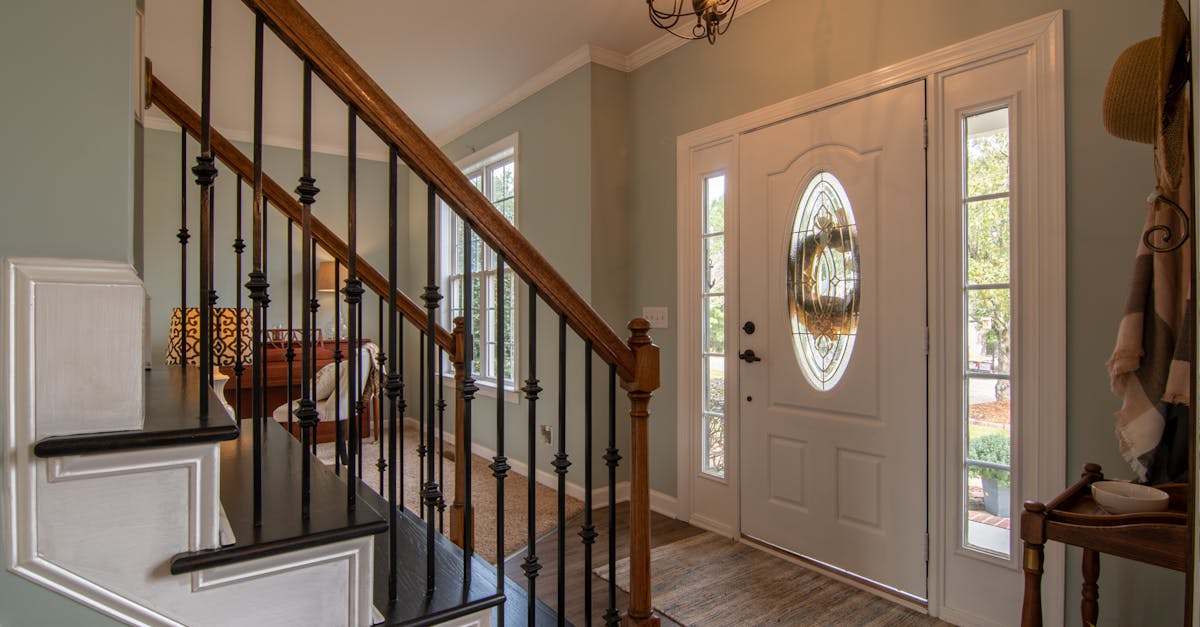
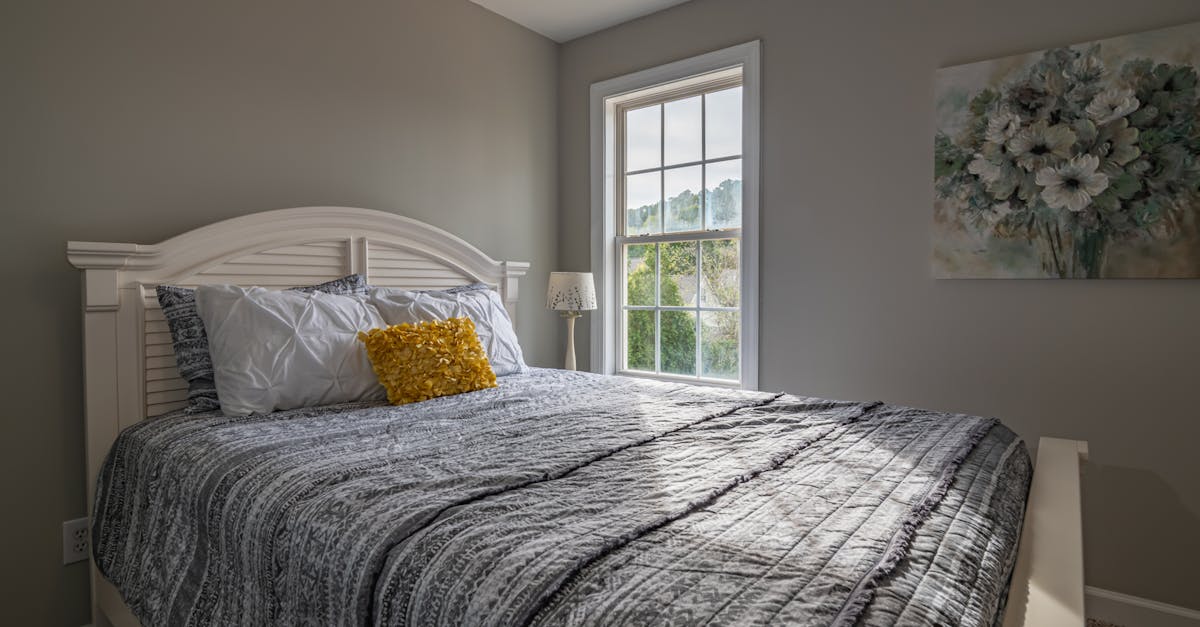
- Discover a modern and refined living space with our contemporary home. Combining sleek design, comfort, and functionality, this home is ideal for those seeking a modern aesthetic while enjoying a pleasant living environment.
- Residential Values in 2025: Between Sustainability and Innovation
- Homes for 2025 embody a new residential philosophy. Beyond aesthetics, they value sustainability, responsible consumption, and respect for the environment. The trend toward recycled materials and the preference for innovative features are creating a new standard.
- Properties often display eco-labels, demonstrating a serious commitment to the planet. The modular and scalable design also extends the home’s lifespan, while easily adapting to new needs or rapidly evolving lifestyles.

Frequently Asked Questions About Contemporary Homes in 2025
What are the key features of a home in 2025?
Homes are designed to be sustainable, connected, and modular, with a strong integration of eco-friendly materials and smart technologies, including solar energy autonomy, advanced home automation, and water harvesting.
How can I reduce the ecological footprint of my future home? By choosing a timber-framed house, installing solar panels, using recycled materials, and integrating a water recovery system, you are effectively contributing to this approach.
What are the benefits of energy renovation in 2025?
- It improves energy performance and increases the property’s value, while significantly reducing energy consumption and environmental impact. How is advanced home automation transforming daily life?
- It centralizes the management of all equipment, automates heating, lighting, and security, and optimizes consumption, for personalized comfort and maximum energy efficiency. What materials should you choose for eco-friendly construction in 2025?
- Wood, natural stone, bio-based composites, smart glass, and recycled materials remain at the top of the list for combining performance and respect for the planet.