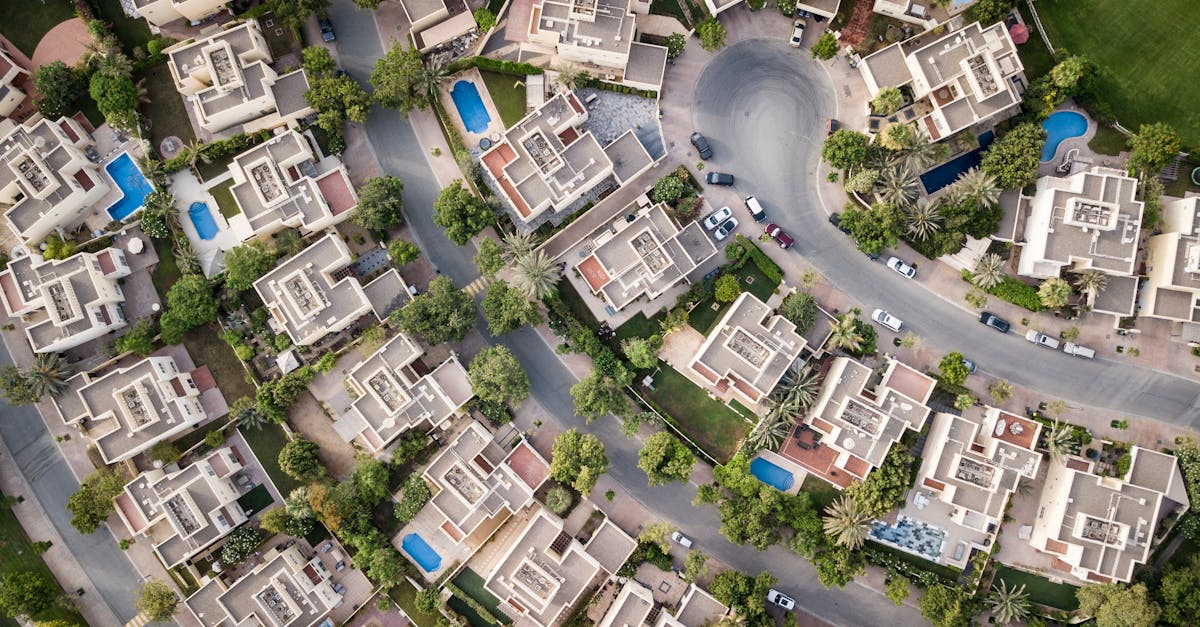
The Parisian real estate market in 2025 reveals a landscape that is both complex and surprising, where the balance between stabilization and new trends shapes the decisions of buyers and investors. After a period marked by volatility and falling prices from 2022 to 2024, the capital appears to be turning a corner with a certain resilience. The widespread decline in interest rates, accompanied by partially revived demand, is beginning to create a subtle but notable dynamic. Specifically, the average price per square meter is around €10,418, which represents a 3% increase compared to the previous year, while over five years, the decline is still 6%. Moreover, prestigious neighborhoods, such as the 16th arrondissement, continue to benefit from sustained demand, particularly for high-end properties and family residences. The stabilizing trend should not mask the persistence of territorial disparities and varied buyer profiles, always influenced by the economic situation and changing lifestyles.
Price stabilization and neighborhood dynamics: a delicate balance
Real estate prices in Paris have undergone several years of correction, largely due to rising interest rates and more difficult access to credit in the post-pandemic period. Between 2022 and 2024, the market experienced a notable downward trend, with prices falling for certain properties and neighborhoods. However, in 2025, this trend appears to be easing, or even slowly reversing, thanks to price stabilization. The average is stabilizing at an attractive level, while leaving room for significant differences between arrondissements.
- The 16th arrondissement, particularly Passy and Auteuil, maintains its status as a sought-after area for high-end clients. 🏘️
- Neighborhoods undergoing change, such as Belleville and Porte de la Chapelle, are seeing their prices plateau or decline slightly, offering opportunities for medium-term investments. 📉
- Some areas further outside the city center, such as the 19th and 20th arrondissements, occupy an intermediate position, with less volatile prices and growth potential depending on the progress of urban development and projects. 🚧
Neighborhoods leading in terms of stability and dynamism
To understand this fluctuating map, we must take a closer look at certain neighborhoods that have always resisted economic ups and downs. For example, the 16th arrondissement continues to attract wealthy clients seeking to combine luxury and residential tranquility. The proximity of green spaces, such as the Bois de Boulogne, and high-end amenities play a key role.
In contrast, neighborhoods like Belleville and La Chapelle have experienced slower growth, but their market is tending to soften, with more affordable prices and increased interest among young families or first-time buyers. This trend is not new, but the 2025 economic climate reveals a new situation between traditional neighborhoods and rapidly changing areas.

Interest Rates: Towards a New Phase of Decline and Impact on Financing
Borrowing conditions have been a key driver during this transition period. After a gradual increase in rates between 2020 and 2023, a downward trend is expected in 2025, stabilizing around 2.5 to 3% over 20 years. This development has significant consequences for the purchasing power of future homeowners. An overall budget increase of 5 to 10% for some buyers, thanks to lower monthly payments. 💰
- Improved affordability for first-time buyers, who can now qualify for more favorable financing. 🤝
- A market revival, with a rise in renovation projects or long-term purchases. 🔑
- Banks, particularly those partnering with major agencies like Century 21 or Orpi, remain vigilant regarding borrowers’ down payment and financial stability. Caution remains the golden rule in a context where the economic situation remains uncertain.
Purchase strategies and new buyer expectations
The profile of buyers is evolving in step with social and technological changes. The rise of remote working, for example, is radically changing their priorities:
Increased energy performance requirements. Housing classified as F or G in the Energy Performance Certificate (EPC) is becoming less and less financed. 🌿
- Modular spaces, allowing for the integration of a home office without sacrificing quality of life. 🖥️
- An optimized price/surface area ratio, with a tendency to look to neighborhoods slightly outside the city center to enjoy greater comfort. 🏡
- The role of real estate agencies: local expertise to stand out
Traditional players, such as
Century 21 ,Orpi ,Foncia , andAgence Laforêt , play a vital role in this context. Thanks to their in-depth knowledge of the Parisian market, they help buyers navigate an often complex and segmented offering.Tailor-made assistance to identify exclusive properties that meet new purchasing criteria. 🏢
- An ability to negotiate and secure transactions, particularly in sought-after or evolving neighborhoods. 🤝
- An extensive network of contacts, offering early access to opportunities often shared by investors and real estate professionals. 🔄
- For those looking to surround themselves with the right people, consulting platforms such as
SeLoger or MeilleursAgents is a good starting point for tracking trends and comparing offers. Discover the latest trends and analyses of the French real estate market: prices, buying advice, investment opportunities, and news to ensure the success of your real estate projects.
Every real estate purchase results in significant costs, whether it be notary fees or other administrative costs. In 2025, it is crucial to prepare these elements to avoid any unpleasant surprises:
Type of cost
| Share of purchase price | Comments | Notary fees |
|---|---|---|
| 7 to 8% | for existing properties Include taxes, remuneration, and formalities | Fees for new properties |
| 2 to 3% | Reduced Costs Thanks to Tax Measures | Wise buyers take the time to assess these costs in advance, particularly by consulting specialists or using tools such as these online estimators. The goal remains to optimize the overall budget to secure the investment and cope with unforeseen circumstances. |
Initial Tax Measures and Their Impact on the Market In the context of the recovery, several measures could encourage growth or, on the contrary, slow it down. The deductibility of loan interest or the strengthening of the zero-interest loan (PTZ) are among the possible levers. Their deployment in 2025 must, however, combine prudence and ambition to avoid creating long-term imbalances.Renovation Trends and the Energy Transition: A Structuring Development
One of the major influences on the Parisian real estate market in 2025 remains the energy transition. Faced with regulatory pressure and growing expectations from homeowners, renovation is becoming a local priority. According to
this article
, batch renovation initiatives are gaining ground, enabling more efficient management of budgets and public resources.
Energy-inefficient housing is losing its attractiveness unless improvements are carried out. ⚡ Renovation assistance schemes, particularly through building associations or notaries, are facilitating the transition to more efficient buildings. 🛠️Energy audits are becoming essential in purchasing decisions, with a preference for properties that have been renovated or can be quickly rehabilitated. 🔍
- Consequence: valuing energy-efficient properties has become essential, both to secure a purchase and to take advantage of future tax incentives, as this international expert highlights.
- Frequently Asked Questions on the State of the Paris Real Estate Market in 2025
- What impact will falling interest rates have on transaction volumes? 🤔
Which neighborhoods currently offer the best value for money? 🏙️ How does the energy transition affect property values? ♻️What advice do you have for securing your real estate investment in 2025? 🎯