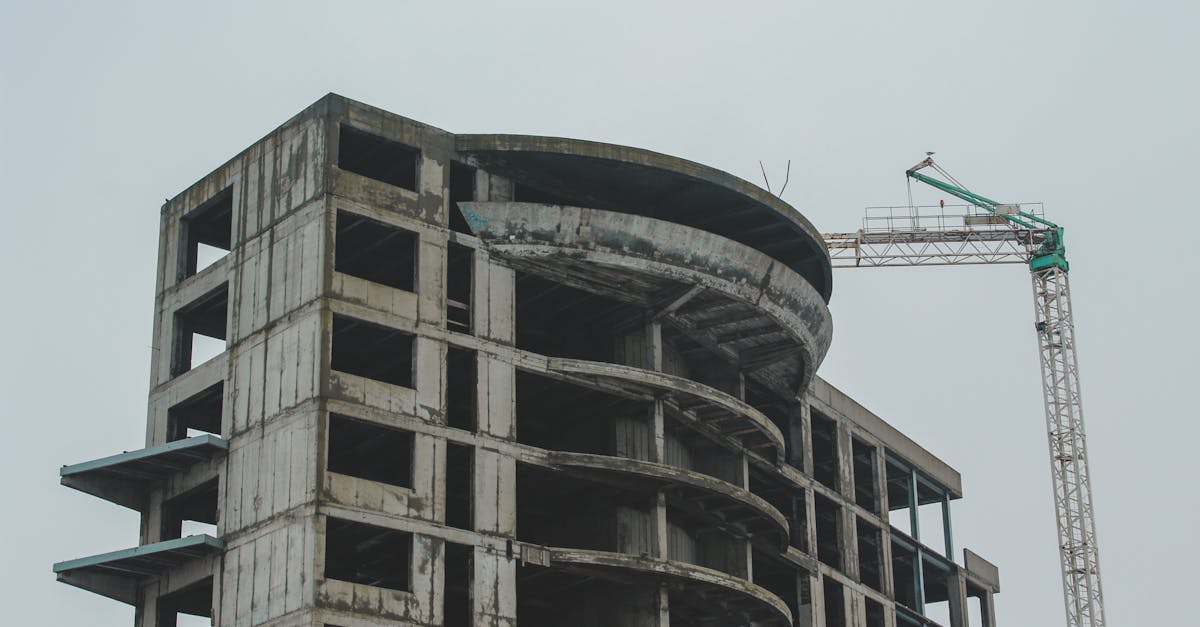
Looking ahead to 2025, the impact of the economic crisis on the real estate market is both complex and multifaceted. After a tumultuous episode that began in 2023, marked by a historic drop in prices, the trend appears to be evolving. While many indicators point to stabilization or a slight increase in certain segments, other sectors still show significant instability. The current situation is taking place in a context where real estate values have been severely affected, causing a real upheaval in buying and selling habits. The trend is not new: for two years, the entire real estate sector has been under increased pressure, fueled by high interest rates, persistent inflation, and increasingly stringent environmental standards. Figures from INSEE and major real estate agencies such as SeLoger and Meilleurs Agents reflect a changing market, oscillating between deep crisis and emerging opportunities. The question now is: to what extent is this crisis permanently transforming real estate prices and practices? Experts agree that this period could lead to a redefinition of real estate values, with sustainability, energy efficiency, and adaptability becoming key criteria. The current crisis should therefore not be seen solely as a period of turbulence, but also as a crucial stage of change, influenced by political, economic, and environmental choices for the future.
The underlying causes of the fall in real estate prices in 2024
To understand the impact of the economic crisis on real estate in 2025, it is essential to examine the roots of the turmoil. The sharp rise in interest rates, initiated by the ECB to contain runaway inflation, has significantly hampered access to credit. According to figures from La Banque Postale Immobilier, the cost of borrowing has increased by more than 3 percentage points in two years, drastically reducing household purchasing power. At the same time, the growth in inflation, which remains high, has eroded purchasing power, leaving many potential buyers in the lurch. Recently, real estate players such as Century 21 and Laforêt have reported a contraction in demand in several regions, particularly in medium-sized cities where rising prices had not fully taken into account the economic context.
But the crisis is not limited to these macroeconomic factors. The ecological transition now requires the integration of new standards. The Climate and Resilience Act requires costly renovations to improve the energy performance of buildings, often beyond the initial budget of owners or investors. However, with F or G-rated properties becoming increasingly difficult to sell, these properties have begun to depreciate. Changing uses, particularly with the rise of remote working, have also disrupted demand. Office space, for example, is experiencing record vacancy rates, reflecting a profound shift in residential and professional preferences.
Economic and regulatory drivers that fueled the crisis
- 🛑 Rising interest rates, making borrowing more expensive
- 💸 High inflation, limiting household budgets
- ♻️ Environmental standards requiring costly renovations
- 🏢 Changes in the tertiary sector, favoring vacancies
- 📉 Declining demand in several major cities
Concrete Repercussions on the Real Estate Market in 2025
While the 2023 crisis has turned into worrying figures, the economic situation in 2024 has maintained the tension. The 6.8% drop in existing home prices, reported by SeLoger, remains a benchmark in the French real estate landscape. In the Paris region, particularly in the Île-de-France region, this decline has proven even more pronounced, affecting investors, first-time buyers, and also owners looking to sell. For these latter groups, the question is whether to wait for a better opportunity or whether the market is beginning to stabilize for the long term.
Medium-sized cities, previously boosted by a post-Covid urban exodus, are now seeing their prices fall faster than expected. The logic might seem paradoxical: the decline continues while some cases of stabilization are appearing in high-end neighborhoods or in high-demand areas. The main reason lies in the general nervousness of the sector, accentuated by uncertainty about the economic future. Fear of further corrections, as well as difficulties in obtaining financing, play a decisive role.
Geographic and sectoral factors shaping the trend
| Region | Price variation in 2024 | Projection for 2025 |
|---|---|---|
| Paris and Île-de-France | 🛑 -8.4% | 🔮 Possible stabilization in certain districts |
| Major cities (Lyon, Bordeaux, Nantes) | 🔻 -7% | 🟢 Trends toward stabilization or slight increase |
| Medium-sized cities | 🔻 -10% | ⚠️ Risk of continued decline |
Outlook for owners and investors in the face of the crisis
For homeowners, the situation may seem alarming, but some experts emphasize the need to take a long-term view. The value of a property no longer depends solely on its location, but also on its ability to meet new ecological standards and innovative lifestyles. Energy renovation is becoming an essential lever, allowing for the preservation or even increase of real estate assets. The platform Calcul Crédit Immobilier 2025 reminds us that these investments can prove profitable if we take advantage of programs such as zero-interest loans or renovation subsidies. Those who manage to adapt to these changes will be in a favorable position to rebound in a market still marked by profound transformations.
Investors, for their part, are turning to resilient or promising sectors such as international real estate or asset tokenization (Headway Nova 2 – Tokenized Real Estate). With innovative programs and niches to explore, they seek to limit their exposure to downside risks. According to Gutshall Real Estate, diversification and investments in innovative real estate assets will be winning strategies in this turbulent climate.
Effective strategies for adapting to the new reality
- 🛠️ Investing in energy renovation
- 🌍 Exploring international real estate
- 💡 Opting for urban asset tokenization
- 📊 Using simulation tools like the 2025 loan calculator
- 🚀 Staying informed about public policies with sources like Orpi or La Banque Postale Immobilier
Public and private measures to support the real estate market in 2025
Faced with this difficult situation, several institutional and private players are trying to breathe new life into the real estate sector. La Banque Postale Immobilier, BNP Paribas Real Estate, and Crédit Agricole Immobilier are deploying measures to encourage recovery. Among these, the extension of the zero-interest loan (PTZ) continues to be a major lever, allowing first-time buyers to finance their purchases in a context where borrowing remains expensive.
Real estate developers are also playing a key role with flexible pricing strategies, adjusting their projects to market realities (Flexible Pricing for Developers). Furthermore, the implementation of new environmental standards is forcing some players to rethink their offerings. Market modernization and transformation, particularly in countries like Saudi Arabia, also illustrate this trend toward a balance between sustainability and profitability. Innovative initiatives to revive the real estate market in 2025
🤝 Public-private partnerships for urban renewal
- 🌱 Development of sustainable neighborhoods
- 💼 Implementation of tax incentives
- 🔗 Adoption of tokenization to democratize investment
- 🚧 Encouraging new construction in underserved areas
- Risks and opportunities ahead for the real estate market in 2025
The Milky Way real estate market in 2025 presents both risks and opportunities. Continued rate increases, like assertive monetary policies, could create new obstacles. Rising construction costs and material shortages also play a role in the dynamics. However, these challenges stimulate reflection on sustainability and innovation.
In the same vein, demand from younger generations and institutional investors is evolving. Sectors, particularly the service sector, are attempting to reposition themselves towards more flexible or environmentally friendly uses, as Belles Demeures highlighted in its analysis. The search for new niches, such as foreign real estate or tokenization, is intensifying and opening up a range of opportunities enabled by innovation.
Keys to navigating this pivotal year
🌐 Stay connected to financial and regulatory news
- 💼 Diversify your investments
- 📈 Study emerging and niche markets
- 🛡️ Prepare hedging strategies against volatility
- 📚 Get training via platforms like SeLoger or Guy Hoquet
- FAQ
Is the real estate market in 2025 still risky for buyers?
Volatility remains, but caution and investment diversification can limit risks. Advice from professionals such as Orpi or Laforêt can guide you through this process. Which sectors are more resilient to the crisis in 2025?
Sectors related to sustainability, energy renovation, or international real estate often offer more stability in this changing environment. How can you take advantage of measures to reduce the cost of a mortgage?
Consult tools such as the 2025 loan calculator and stay informed about new aid and tax incentives through public partners.