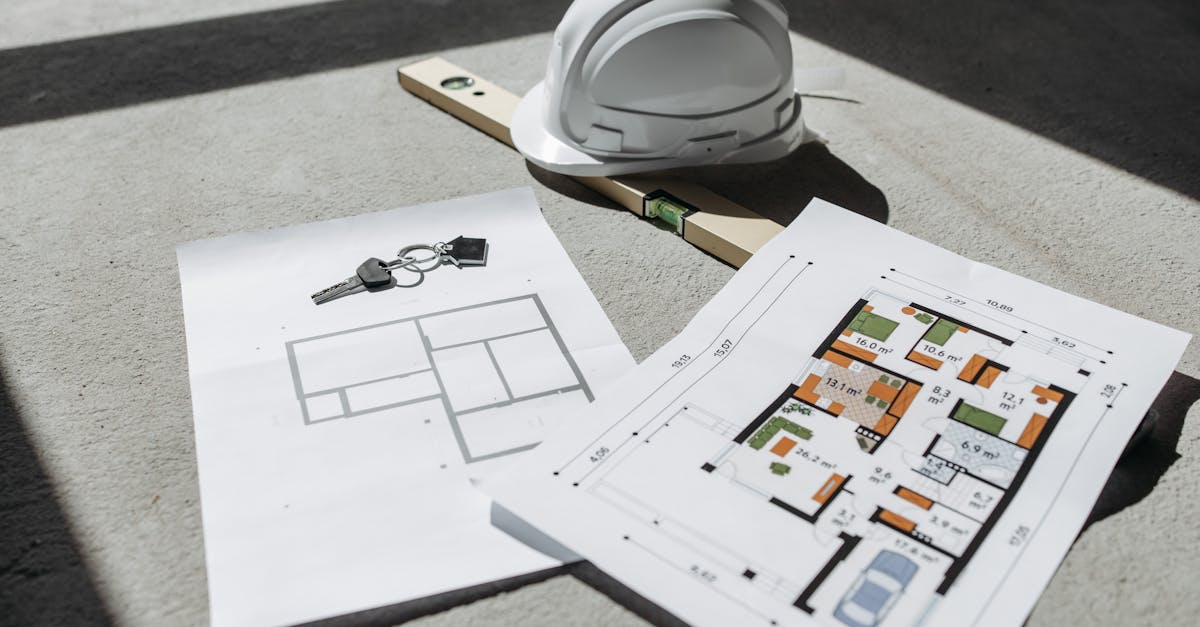
The Current Context of Energy Performance Diagnostics (EPD) in French Real Estate
For several years, the energy diagnostic has established itself as an essential tool for assessing the energy performance of homes. In the midst of the transition to a more sustainable economy, it plays a key role in increasing the value of real estate assets. However, for ownersNavigating the intricacies of its regulations can quickly become a real obstacle course. The growing complexity of standards, the proliferation of requirements, and the constantly evolving regulatory framework give the impression of an insurmountable challenge. However, behind this apparent complexity lies a necessity: to encourage the renovation of buildings, improve their energy efficiency, and support the transition to a more responsible society. The trend is not new: the law on energy transition, adopted in 2015, aimed to make the DPE a lever for combating climate change and reducing the carbon footprint of the real estate sector. Today, with the 2025 reforms, this role is intensifying, but not without raising new questions for those who must comply with them. In reality, the real estate market today faces a major challenge: complying with increasingly strict DPE standards, while maintaining a certain profitability, in the face of renovation costs that can prove prohibitive without support. The growing tension between stricter requirements and economic reality makes the task a thankless one for many, especially those whose properties have yet to be renovated. The need to adopt an effective strategy, anticipate future regulations, and invest wisely is becoming more evident than ever to stay in the game. This is a real challenge to balance energy efficiency, asset value, and social responsibility in a rapidly changing real estate landscape.

The Major Challenges of the DPE for Homeowners in 2025
The DPE standards in 2025 represent a crucial step in the fight against energy poverty and the deterioration of real estate assets. By incorporating quantitative criteria for consumption and greenhouse gas emissions, they now require every homeowner to undergo a real compliance process. The first challenge concerns the renovation of older buildings, which are often poorly or not at all insulated. The issue is no longer simply aesthetics or comfort, but compliance with these new rules while controlling costs. These standards also aim to promote greater energy efficiency with the aim of extending the sustainability of housing. Reducing consumption has a direct impact on the wallet, but also on the climate contribution. To achieve this, every homeowner must be patient, as implementing renovation projects can seem tedious, especially when financial assistance is insufficient or difficult to access. Finally, these standards directly impact the value of the real estate market, since any property deemed energy-intensive may see its rating decrease or face restrictions when selling or renting. In a context where the real estate sector must play a central role in the ecological transition, the challenge for owners clearly lies in their ability to adapt to these requirements, while preserving their assets and limiting the financial risks associated with costly work. Restoring balance requires a long-term strategic vision, linking renovation, compliance with standards, and asset enhancement. The new regulations, often perceived as restrictive, could ultimately become an opportunity to take advantage of the situation and turn their properties into sustainable and lasting assets.

Sanctions and compensation linked to the DPE: a lever for renovation
The consequences of non-compliance with energy audits are no longer to be taken lightly. In 2025, regulations provide for financial penalties that can severely impact the wallets of negligent owners. An incorrect declaration or omission during the DPE process can result in fines or even the suspension of the sale or rental of the property in question. However, on the other hand, a proactive approach aims to encourage renovations through attractive incentives, such as financial aid, tax credits, or even specific support for compliance. The « MaPrimeRénov' » scheme, for example, mobilizes billions of euros to financially support these efforts. In addition, regional subsidies reinforce this dynamic, which is part of a sustainable development approach. However, obtaining them is not straightforward and often requires navigating a complex administrative process. Some additional owners can, however, benefit from tax advantages or tax incentive schemes provided they adhere to a specific schedule or achieve certain performance thresholds. The threat of sanctions, coupled with the offer of incentives, creates a dynamic that encourages renovation. But this often remains underutilized, as many are still unaware of the opportunities available or underestimate the long-term impact of these initiatives. Compliance thus becomes a necessity, not only to avoid penalties, but also to benefit from a favorable tax framework. Ultimately, the system plays an educational role that, if properly understood, can profoundly transform the real estate market and pave the way for a faster and more coherent energy transition.

Strategies to optimize the valuation of real estate assets in the face of the EPC
For owners, integrating the dimension of asset valuation into their real estate strategy is becoming a no-brainer. Energy renovation appears to be an effective lever, particularly for increasing the market and rental value of a property. A property that complies with the 2025 EPC standards benefits from greater market appeal and can more quickly attract buyers or tenants looking for energy-efficient housing. Implementing an efficient renovation also helps reduce management and maintenance costs, while improving indoor comfort. Several strategic levers exist to maximize these benefits: 🔧 Thermal renovations (insulation, windows, ventilation) 🏡 Improvement of the heating and air conditioning system
- 💡 Updating electrical installations to reduce consumption
- 🌱 Installation of innovative equipment, such as solar panels
- 📈 Emphasizing the diagnostic to reassure future buyers or tenants
- Investments in
- energy performance
must, however, be based on a precise assessment, particularly through an energy performance diagnostic Ultimately, this can transform a simple sale into a profitable transaction, where sustainability becomes a key selling point. Moreover, several real estate players are innovating by offering specific services, such as mortgage simulations tailored to renovation work or detailed audits to define the best asset management strategy. By adopting this approach, owners are not only playing the regulatory compliance game, but also that of sustainability and responsibility. In this context, it is no longer simply a question of getting rid of an energy-intensive home, but of making it a resilient and attractive asset, for today and tomorrow. The transformation of the real estate market in the face of new DPE requirementsSince the reforms came into effect in 2025, the real estate market must adapt to a new reality where energy performance is becoming a determining criterion in transactions. For some properties, especially older properties, this means a major challenge: renovation or upgrading to avoid devaluation. For others, on the contrary, it becomes an opportunity to enhance their assets by promoting their compliance with modern standards. A notable trend concerns the rise of online sales.
and specialized platforms, which highlight energy performance as a major differentiator. Valorization and transparency are becoming assets to attract demanding buyers, especially with the increasing availability of information through shared diagnostics. From a microeconomic perspective, we are seeing increased market segmentation: those who innovate and invest in renovations tend to benefit from more attractive prices, and even attract a more eco-conscious clientele. While some owners have long been hesitant to undertake costly renovations, the new regulations now encourage sustainability to be considered as a differentiating factor, even a competitive factor. This is thus establishing a new dynamic, where compliance becomes a growth driver for the entire sector, while encouraging greater sustainability of real estate. Furthermore, this change is fostering the emergence of a more transparent, fair, and transparent market, strengthening stakeholder confidence and boosting the local economy. Technological innovations to facilitate DPE compliance in 2025
Faced with the growing complexity of the regulatory framework, many stakeholders are turning to technological innovations to simplify DPE compliance. Powerful assessment software, online renovation assistance platforms, and construction simulation tools represent a true revolution in supporting homeowners. Solutions such as artificial intelligence and big data now make it possible to quickly analyze the condition of buildings, offering precise and tailored recommendations, while estimating their impact on energy consumption. The digitalization of diagnostics makes them easier to access, share, and update, contributing to greater transparency. Furthermore, these advances support the creation of ultra-precise financial simulations, integrating government aid, tax credits, and tax incentives. Take the example of the DPE 2026 simulator, which allows owners to predict the impact of their work under different scenarios, thus simplifying their decision-making. Technological developments, especially in the field of sustainable construction, open up new perspectives for making the DPE a real lever for competitiveness and collective responsibility. It promotes a proactive approach, emphasizing that innovation is not only an asset, but a necessity in a constantly changing environment. The challenges of training and supporting homeowners in the face of the DPE The increasing regulatory requirements also require increased training and support for homeowners. Many lack the technical or financial knowledge to undertake the necessary renovations. In response, various initiatives are emerging: specialized training, interactive platforms, and awareness workshops. The technical complexity of the energy audit requires a clear understanding of the issues, particularly to assess the cost-benefit ratio of the work. Energy efficiency specialists now offer personalized support, taking into account the specific features of the home, the available budget, and the property’s objectives. Training must cover not only technical aspects but also financial, regulatory, and tax aspects. Furthermore, « big picture » awareness is rooted in ecological awareness, reminding people that each renovation contributes to the fight against climate change, while improving sustainability and enhancing the value of property. Some local authorities offer training assistance for homeowners, particularly in priority neighborhoods or rural areas. The key to success therefore lies in collective and educational mobilization, so that everyone can play an active role in the energy transition. Changing regulations: what are the prospects for the DPE until 2030? The regulatory framework surrounding the energy assessment
The real estate sector is evolving rapidly, in line with the carbon neutrality targets set for 2030. The 2025-2030 period will be marked by a gradual strengthening of criteria, with the introduction of new, even stricter standards, particularly for public buildings and rental housing. The objective is clear: to gradually eliminate F and G-rated buildings, to achieve a majority of A or B-rated housing, favoring high-performance construction. New technological tools will be deployed to monitor changes in energy performance, and stakeholders will have to adapt constantly. The major challenge remains the effective implementation of these new requirements while maintaining affordable costs for owners. The prospect of stricter regulations by 2030 should also encourage more deep renovations, and encourage public and private stakeholders to play a more active role. Furthermore, convergence between local, national, and European regulations will become crucial to harmonize standards and simplify the process. The coming period therefore promises to be a veritable regulatory marathon, where the ability of owners and professionals to adapt will be crucial to ensuring the compliance and sustainability of their real estate investments.
FAQ: Everything you need to know about the DPE obstacle course in 2025 Why is the DPE becoming so regulated in 2025? Because France wants to accelerate the fight against climate change by imposing strict standards for the energy performance of buildings. What are the main aid programs available for renovations in 2025? Schemes such as Gecinaand MaPrimeRénov’ continue to provide financial support to owners for energy renovation work.
What are the risks if I do not comply with the DPE?
Financial sanctions, the devaluation of your property and the difficulty in selling or renting it in compliance with the new regulations. How can I optimize the value of my assets by renovating my home? By using renovation strategies such as insulation, changing the heating system and implementing renewable energy sources, while promoting diagnostics and certifications. Source: www.lopinion.fr