
Renewed Momentum: The Remaining Real Estate Market to Grow by +11% in 2025
The real estate market trend in 2025 reveals a notable trend: after several difficult years, notably due to a context of high interest rates and falling prices, the recovery in the existing real estate market is becoming increasingly clear. According to the latest analysis by the ERA Immobilier agency, this +11% growth in real estate transactions, observed between January and June 2025, embodies the economic recovery so eagerly awaited by professionals in the sector. This improvement is not limited to a mere temporary rebound; it is built on consistent and sustainable signals, suggesting price stabilization and a gradual revival of sales momentum, even in a complex context.
The real estate market, long held back by exorbitant interest rates and persistent uncertainty surrounding the future of housing, appears to be rebalancing. The decline in the cost of credit, with average rates now around 3.1% over 20 years, is once again promoting access to home ownership. Furthermore, buyer confidence, whether for residential purchases or rental investments, is becoming tangible again. Demand is shifting toward more affordable properties, which is contributing to the gradual revival of existing property transactions. In short, 2025 marks a turning point, even if the sector still faces certain challenges, particularly the issue of supply and price adjustments.
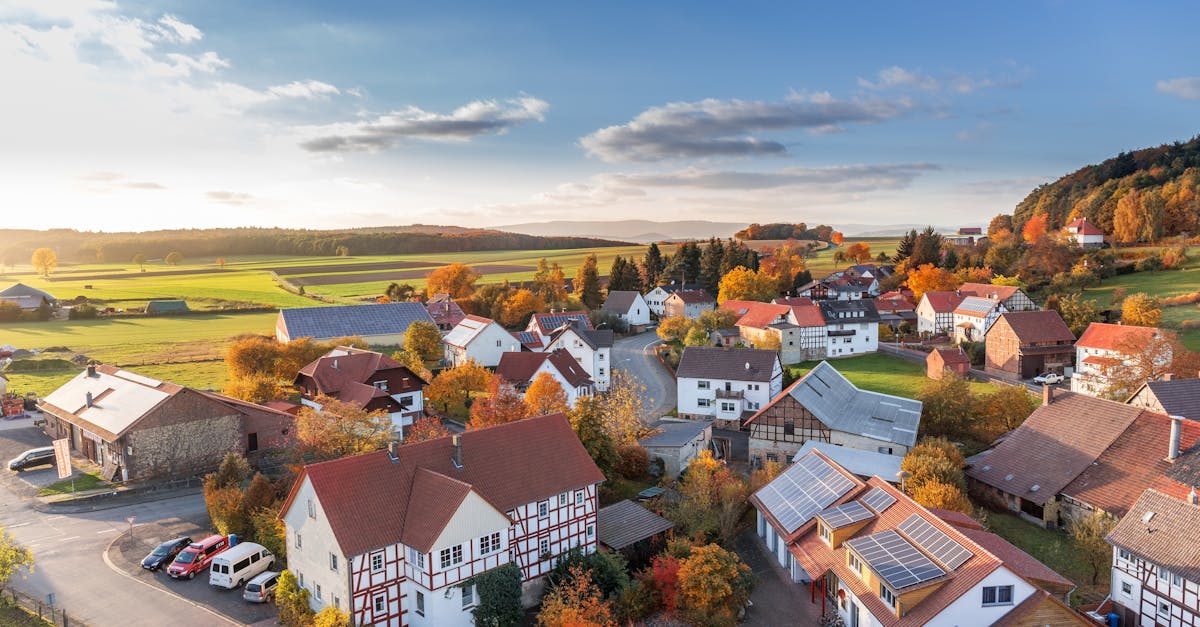
The driving factors of the recovery in existing real estate in 2025
Several factors explain this clear recovery in the existing real estate sector, each playing a crucial role in increasing sales. Lower interest rates are the cornerstone of this upturn, making loans more attractive and therefore boosting household purchasing power. A recent report highlights that these rates, currently around 3.1% over 20 years, facilitate the creation of new debt, thus boosting a segment long held back by difficult financing conditions.
Secondly, the volume of properties available for sale is rebounding, with a rise in owners’ intentions to sell. According to ERA, recorded estimates increased by +9.25%, while signed mandates increased by +5.78%, notably with a strong increase in exclusive mandates (+5%). This phenomenon reflects the market’s desire to find a balance between supply and demand, partly thanks to price stabilization and renewed interest in heritage real estate. The slow de-isolation of inventory, prioritized by real estate agencies, is also contributing to this trend, helping to restore confidence in the market.
- Slowdown observed in certain segments, but reassuring media coverage
- Reduction in interest rates, making credit more affordable
- Increased sales intentions, with a more diversified offering
- Recovery in all major French cities, notably Paris and Lyon
- Increased mobilization of investors to revive market momentum
Rental investments are regaining their attractiveness
Another key driver of this recovery is the renewed interest in rental investment (II). Even though the Pinel scheme has deliberately eliminated the benefits for new properties, investors are turning to existing properties, which are perceived as more reliable and offer more immediate returns. Simplified procedures, stable prices, and the resilience of the rental market are attracting more and more first-time buyers and investors. Combining these factors with falling interest rates, the market is becoming more accessible for those looking to secure their assets or generate regular income.
Price trends: stabilization a strong signal for 2025
After several quarters of decline, prices for existing properties are beginning to stabilize, and even show slight increases in some regions. The national average now stands at €3,350 per square meter, up +0.9% year-on-year, reflecting an easing of the pressures weighing on the sector. This trend affects both houses and apartments, with €2,500 (+0.2%) and €4,150 (+0.6%) per square meter, respectively. Furthermore, some major cities such as Paris, Lyon, Bordeaux, Rennes, and Toulouse are showing a slight recovery, with increases of between +1.2% and +2.5%. These changes, although modest, reflect a real rebalancing, far from any speculative frenzy, but rather a desire to ensure the sustainability of the real estate market in the current context. CityAverage price €/m² Annual change Paris €9,550 +1.2%
Lyon
| €4,800 | +1.2% | Bordeaux |
|---|---|---|
| €6,000 | +2.0% | Rennes |
| €4,200 | +1.5% | Toulouse |
| €4,700 | +2.5% | Regions experiencing strong growth: a sign of balanced recovery |
| The real estate boom is now being observed nationwide, with consistent growth across several regions. Nouvelle-Aquitaine, the Pays de la Loire region, and the Centre-Val de Loire region are all recording increases of between +17% and +20% in transactions, reflecting a general upturn in activity. The Île-de-France region is not lagging behind: the outer suburbs, in particular, are seeing renewed activity and adapting prices, reinforcing the indicator of a more balanced market. | Southeastern cities such as Marseille and Nice, particularly around the Le Gabriel real estate project, are also contributing to this momentum. The renewed confidence among buyers and sellers is based on a strong desire to invest in a sector they now consider more secure, provided they are well-informed and supported by a competent real estate agency. | Discover the world of real estate with our advice, tips, and market trends. Whether you’re looking to buy, sell, or invest, find valuable information to help you succeed in your real estate projects. |
| The regional and national context: a real breath of stability | The real estate market revival is not limited to a few major cities, but affects the entire country, including more rural or outlying areas. According to a recent study, the trend is toward stabilization in areas that previously suffered from oversupply or neglect. Although growth is often moderate, this development indicates that the real estate sector of 2025 is built on a solid foundation, avoiding any unreasonable growth. | This renewed confidence is accompanied by political and social challenges. The need to establish a coherent housing policy capable of reconciling profitability and affordability remains a central concern. The implementation of a national action plan, with specific support for regions undergoing recovery, could further strengthen this positive momentum. |
https://www.youtube.com/watch?v=yfE8RGnW5Jo
Future challenges for the existing real estate market in 2025
Despite this encouraging trend, several obstacles still need to be overcome to ensure the sustainability of the recovery. Growth in existing real estate transactions must continue to rely on a more abundant supply and an appropriate land policy. The sector must also closely monitor interest rate trends, which remain a key factor in financing. Experts also emphasize the need to promote an incentive policy for the renovation and enhancement of existing real estate assets. Economic recovery, combined with measures to stimulate the rental market, could lead to lasting stability. It is also becoming essential to integrate more solutions to reduce the territorial divide, particularly in fragile or less advantaged areas.Discover strategies for investing in rapidly changing areas here.
What is the main reason for the recovery in existing real estate in 2025?
Falling interest rates and stabilizing prices are restoring confidence among buyers and investors.
Will prices continue to rise?
Which sectors are benefiting most from this dynamic?
Major cities like Paris and Lyon, as well as certain fast-growing regions like Nouvelle-Aquitaine and Centre-Val de Loire.
What are the levers to monitor to ensure sustainability?
Interest rate trends, property supply, and the implementation of coherent public policies.
How can the real estate market continue its recovery in the years to come?
- Through a proactive policy to encourage renovation, the development of the rental market, and better management of land resources. Source:
- www.journaldelagence.com